

Gopal Krishna Gokhale: Biography, Political Philosophy, and Legacy of India's Moderate Leader (1866-1915)
Discover Gopal Krishna Gokhale's life, political philosophy, and lasting impact on India's freedom movement. Learn about the moderate leader who mentored Gandhi.
INDIAN HISTORYBIOGRAPHY/HISTORYTHE GREAT LEADER
Keshav Jha
1/3/20266 min read
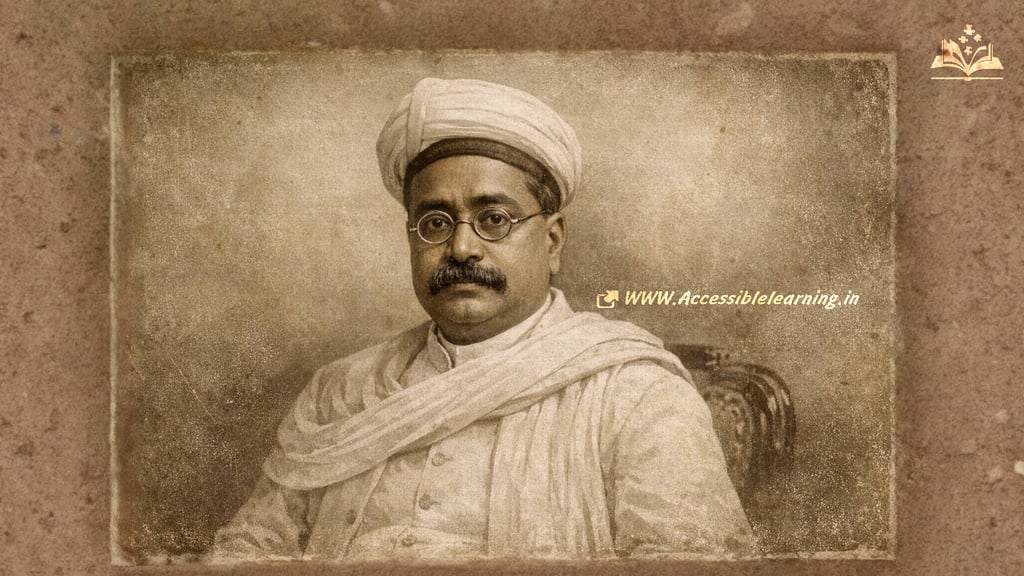
Who Was Gopal Krishna Gokhale?
Gopal Krishna Gokhale (1866-1915) stands as one of pre-independent India's most influential political leaders, social reformers, and educators. A senior leader of the Indian National Congress and founder of the Servants of India Society, Gokhale championed constitutional methods, social reform, and education as pathways to India's progress. His moderate approach to politics, emphasis on gradual reform, and mentorship of future leaders like Mahatma Gandhi left an indelible mark on India's independence movement.
Early Life and Educational Background
Birth and Family Origins
Born on May 9, 1866, in Kotluk village (present-day Ratnagiri district, Maharashtra), Gokhale came from a modest Brahmin family. His father, Krishna Rao Gokhale, worked as a clerk, while his mother, Valubai, managed their household under financially constrained circumstances. Despite economic hardships, his family prioritized education—a value that would shape Gokhale's entire life trajectory.
Academic Excellence and Formative Years
Gokhale displayed exceptional academic abilities from childhood. He completed his primary education in Ratnagiri before moving to Kolhapur for higher studies. In 1884, he graduated from Elphinstone College in Mumbai (then Bombay), earning one of the first degrees awarded to Indians by the University of Mumbai. His education exposed him to Western political thought, liberal ideas, and constitutional governance principles that would later inform his political philosophy.
Political Career and Rise to Prominence
Entry into Public Life
Gokhale's political journey began in 1889 when he joined the Indian National Congress. His intellectual rigor, eloquent oratory, and deep understanding of economic issues quickly distinguished him among contemporary leaders. Unlike revolutionary nationalists who advocated armed resistance, Gokhale believed in constitutional agitation and dialogue with British authorities.
Role in the Indian National Congress
Between 1899 and 1902, Gokhale served as Secretary of the Indian National Congress before becoming its President in 1905. During his presidency, he articulated a vision of gradual self-governance achieved through petitions, resolutions, and peaceful negotiations. His moderate stance often placed him at odds with extremist leaders like Bal Gangadhar Tilak, yet he maintained that sustainable change required patience and strategic compromise.
Legislative Contributions
In 1902, Gokhale became a member of the Imperial Legislative Council, where he served until his death in 1915. His parliamentary work focused on:
Budget analysis and economic reforms: He meticulously critiqued colonial economic policies, exposing how British rule impoverished India
Educational advancement: He advocated for compulsory primary education and increased government spending on schools
Administrative reforms: He pushed for greater Indian representation in governance
Tax relief: He campaigned for reducing salt tax and other regressive taxes burdening common Indians
The Servants of India Society: Legacy of Service
Foundation and Philosophy
In 1905, Gokhale founded the Servants of India Society in Pune, Maharashtra. This organization embodied his belief that India's progress required dedicated individuals willing to serve the nation selflessly. Members took vows of poverty and committed their lives to social service, education, and community development.
Objectives and Impact
The Society focused on:
Promoting education among all classes, particularly disadvantaged communities
Training national missionaries dedicated to public service
Creating awareness about constitutional rights and civic responsibilities
Establishing educational institutions across India
Conducting social research on poverty, sanitation, and economic conditions
The Servants of India Society continues functioning today, maintaining libraries, schools, and social service programs across multiple Indian states.
Gokhale's Economic and Social Philosophy
Economic Critique of Colonial Rule
Gokhale possessed deep economic expertise, using statistical evidence to demonstrate colonial exploitation. His analysis revealed:
Wealth drain theory: British policies systematically transferred Indian wealth to Britain
Agricultural distress: Heavy land revenue and taxation impoverished farmers
Industrial stagnation: Colonial policies prevented Indian industrial development
Per capita income decline: Living standards deteriorated under British rule
Social Reform Advocacy
Beyond politics, Gokhale championed social transformation:
Caste system criticism: He opposed caste discrimination while working within existing social structures
Women's education: He strongly supported female literacy and empowerment
Untouchability opposition: He advocated for uplifting marginalized communities
Religious harmony: He promoted Hindu-Muslim unity as essential for national progress

Relationship with Mahatma Gandhi
Mentor and Mentee Dynamic
When Gandhi returned from South Africa in 1915, Gokhale became his political mentor. Gandhi considered Gokhale his "political guru" and deeply respected his judgment. Gokhale advised Gandhi to spend a year touring India, understanding its realities, before engaging in active politics—counsel Gandhi faithfully followed.
Ideological Differences and Mutual Respect
Despite philosophical differences—Gokhale's constitutional approach versus Gandhi's mass civil disobedience—their relationship exemplified respectful disagreement. Gandhi later wrote that Gokhale taught him "the secret of political work" and "the value of patience in political activity."
Educational Contributions and Vision
Advocacy for Universal Primary Education
Gokhale introduced the Elementary Education Bill in the Imperial Legislative Council in 1911, proposing free and compulsory primary education for all Indian children. Though the bill failed to pass, it sparked nationwide debate about educational priorities and influenced later education policies post-independence.
Establishment of Educational Institutions
Through the Servants of India Society, Gokhale established:
Schools offering quality education at minimal costs
Night schools for working adults
Libraries providing free access to books and periodicals
Vocational training centers equipping youth with practical skills
Moderate Politics: Strategy and Criticism
The Moderate Approach Explained
Gokhale belonged to the Moderate faction within the Indian National Congress, believing that:
Constitutional methods were most effective for achieving self-governance
British institutions could be reformed to serve Indian interests
Gradual progress was more sustainable than sudden revolution
Elite leadership should guide mass mobilization carefully
Cooperation with British liberals could yield beneficial reforms
Contemporary Criticism
Extremist leaders criticized Gokhale's approach as
Too accommodating toward colonial authorities
Ineffective in securing meaningful concessions
Disconnected from mass sentiments favoring direct action
Overly trusting of British promises
However, Gokhale defended moderation as pragmatic realism rather than weakness, arguing that premature confrontation would invite harsh repression without achieving goals.
Key Speeches and Writings
Notable Orations
Gokhale's speeches demonstrated exceptional analytical depth and persuasive power:
Budget speeches (1902-1914): Systematic critiques of colonial economic policies
Presidential address (1905): Articulation of moderate political philosophy
Education bill speech (1911): Passionate advocacy for universal literacy
Council debates: Strategic arguments for administrative reforms
Publications and Essays
His writings covered:
Economic analysis of British rule's impact
Constitutional reform proposals
Social reform strategies
Educational policy recommendations
Death and Immediate Aftermath
Gokhale's health deteriorated from diabetes and asthma. He died on February 19, 1915, at age 48 in Pune. His premature death shocked the nation. Tribals, peasants, students, and leaders across the political spectrum mourned him. Gandhi called it an "irreparable loss," while even British officials acknowledged his integrity and dedication.
Historical Assessment and Contemporary Relevance
Enduring Legacy
Gokhale's contributions remain relevant today:
Constitutional democracy: His faith in constitutional methods informed India's democratic framework
Social service ethos: The Servants of India Society model inspired numerous service organizations
Education emphasis: His advocacy influenced post-independence education policies
Moderate politics: His approach offers lessons for navigating polarized political environments
Modern Evaluations
Contemporary historians recognize Gokhale as:
A visionary who understood India's economic challenges
A bridge between extremist and moderate factions
An educator who prioritized human development
A leader whose integrity transcended political differences
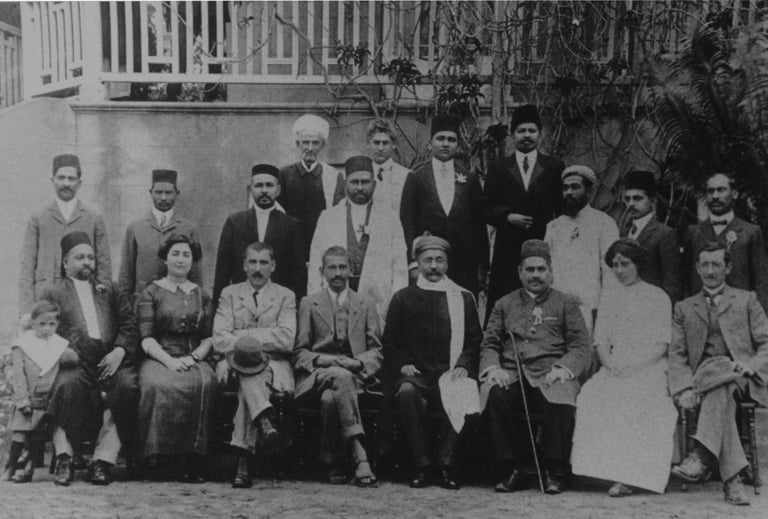

Comparing Gokhale with Contemporary Leaders
Gokhale vs. Tilak: Moderates vs. Extremists
While Tilak advocated "Swaraj is my birthright," demanding immediate self-rule through mass agitation, Gokhale counseled patience and constitutional progress. Their debates shaped Congress politics for decades, ultimately synthesizing into Gandhi's approach combining mass mobilization with nonviolent methods.
Gokhale vs. Gandhi: Evolution of Strategy
Gandhi built upon Gokhale's foundation while transcending it. Where Gokhale worked within elite political circles, Gandhi mobilized millions. Yet Gandhi acknowledged Gokhale's influence on his understanding of Indian politics and society.
Gopal Krishna Gokhale's life exemplifies how intellectual rigor, moral integrity, and patient dedication can drive transformative change. Though he died before witnessing Indian independence, his contributions—constitutional advocacy, educational reform, social service, and economic critique—laid foundations that supported India's freedom movement and subsequent democratic development.
In an era of political polarization, Gokhale's moderate approach offers valuable lessons: meaningful change requires both idealism and pragmatism, confrontation and negotiation, and mass mobilization and elite leadership. His emphasis on education, social reform, and selfless service remains relevant as India continues pursuing inclusive development and social justice.
Understanding Gokhale means understanding not just one leader's biography but the evolution of Indian nationalism from petition to mass movement, from elite deliberation to popular participation—a transformation he facilitated through his life's work and lasting legacy.
Frequently Asked Questions
Q: Why is Gopal Krishna Gokhale called a moderate leader?
Gokhale advocated constitutional methods, peaceful negotiation, and gradual reform rather than revolutionary action or armed resistance against British rule. He believed in working through British institutions to achieve Indian self-governance.
Q: What was Gopal Krishna Gokhale's contribution to education?
Gokhale introduced the Elementary Education Bill (1911), proposing free compulsory primary education. He founded schools through the Servants of India Society and consistently advocated for increased government spending on education and universal literacy.
Q: What was the relationship between Gokhale and Gandhi?
Gokhale was Gandhi's political mentor when Gandhi returned from South Africa in 1915. Gandhi called Gokhale his "political guru" and adopted his advice to tour India for a year before active political engagement.
Q: When was the Servants of India Society founded, and what was its purpose?
Founded in 1905 by Gokhale, the Servants of India Society trained individuals dedicated to selfless national service, focusing on education, social reform, and community development. The organization continues functioning today.
Q: What were Gokhale's main economic criticisms of British rule?
Gokhale demonstrated through economic analysis how British policies drained Indian wealth, impoverished agriculture through heavy taxation, prevented industrial development, and reduced per capita income, systematically exploiting India economically.
Q: How did Gokhale die?
Gokhale died on February 19, 1915, in Pune at age 48 due to complications from diabetes and asthma. His premature death was widely mourned across India.
Q: What is Gokhale's legacy in modern India?
Gokhale's legacy includes establishing the Servants of India Society (still active), influencing India's constitutional democracy framework, shaping education policy discourse, and demonstrating how moderate politics and social service contribute to national development.
Subscribe To Our Newsletter
All © Copyright reserved by Accessible-Learning Hub
| Terms & Conditions
Knowledge is power. Learn with Us. 📚

