

Goa Carnival: History, Culture, Parades, and Travel Guide for First-Time Visitors
Experience the vibrant spirit of Goa Carnival, a centuries-old celebration of music, dance, culture, and freedom. This complete guide covers history, parade highlights, food, travel tips, safety advice, and a practical itinerary to help you enjoy Goa Carnival like a local.
EVENT/SPECIALTRAVEL LIFEINDIA/BHARATCELEBRATION/FESTIVALS
Kim Shin
2/10/20264 min read
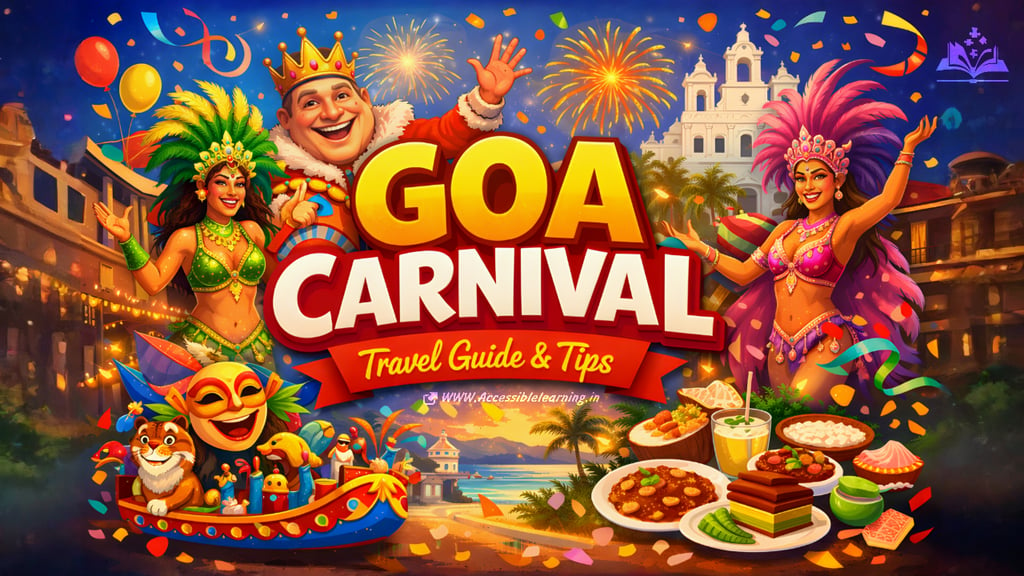
The Goa Carnival is one of India’s most vibrant cultural festivals and one of the few that fully takes over public streets. For a few days each year, Goa becomes a moving stage of music, dance, satire, food, and shared celebration. This guide goes deeper than surface-level descriptions and focuses on history, planning, costs, safety, and how to truly experience Carnival like a local.
Deep Cultural Background of Goa Carnival
Goa Carnival began during Portuguese rule and has survived for more than five centuries. While its origins are Christian, modern Carnival in Goa is secular and inclusive. Locals from all communities participate.
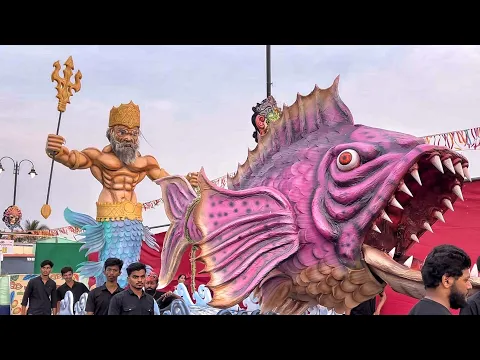
A key cultural element is mockery and satire. Floats often highlight social issues like corruption, climate change, or rising costs of living. Humor is used not to offend, but to reflect reality in a light, accessible way.
King Momo, the symbolic leader, represents indulgence and joy. His message is always simple: eat, drink, dance, and forget worries for a while. This philosophy aligns deeply with Goa’s relaxed worldview.
Exact Timing and Daily Structure
Goa Carnival lasts three to four days, usually between mid-February and early March.
Typical Daily Flow
Morning (9–11 AM): Streets prepared, police barricades placed
Midday (3–6 PM): Main float parades
Evening (7–10 PM): Street music, performances, dancing
Night (after 10 PM): Club events, beach parties, themed Carnival nights
Parades do not run all day, so planning your movement is important.
Best Places to Experience Goa Carnival
Panaji
The most elaborate parades happen here. Floats are larger, performances more structured, and crowds international. Fontainhas nearby offers a beautiful backdrop for photos.
Margao
More community-driven and cultural. Good for travelers who want a less tourist-heavy experience.
Vasco da Gama
Raw street energy, fewer barriers, and closer interaction with performers.
Mapusa
Traditional vibes mixed with youth culture and local music.
What to Eat During Carnival (Very Important)
Carnival is a food festival in disguise. Do not rely only on restaurants.
Must-Try Dishes
Pork vindaloo
Sorpotel with sannas
Goan chorizo pao
Fish recheado
Bebinca and dodol
Drinks to Try
Feni (cashew or coconut)
Local beer brands
Fresh lime soda for hydration
Eat earlier in the day. Many places run out of food by evening due to crowds.
Travel Planning: Practical and Honest Advice
How Many Days You Need
Minimum: 3 days
Ideal: 5 to 6 days (Carnival + beaches + heritage)
Budget Breakdown (Per Day, Approx.)
Stay: ₹2,000–₹6,000 (budget to mid-range)
Food: ₹800–₹1,500
Transport: ₹300–₹600
Parties/events: ₹1,000–₹3,000 (optional)
Transport Tips
Rent scooters early. They sell out fast
Expect road closures near parade routes
Walking is often faster than driving during parade hours
What to Wear and Carry
Clothing
Light cotton clothes
Comfortable walking shoes
Hat or cap
Optional mask or colorful accessory to blend in
Essentials to Carry
Refillable water bottle
Sunscreen
Power bank
Small cross-body bag instead of backpacks
Important Do’s and Don’ts
Do
Respect performers and locals
Ask before close-up photography
Drink water regularly
Follow police instructions
Don’t
Touch performers without consent
Block parade routes
Overdrink in the sun
Litter streets
Goa Carnival is joyful, but public behavior matters.
Carnival Nightlife vs Street Carnival
Street Carnival is cultural and inclusive. Nightlife Carnival events are commercial and ticketed.
Street Carnival
Free
Family-friendly during the day
Authentic experience
Club Events
Paid entry
DJ-based
High energy but less cultural depth
For first-timers, prioritize the streets.
Sample 4-Day Carnival Itinerary
Day 1: Arrive in Goa, explore Panaji, attend evening street music
Day 2: Panaji main parade + Fontainhas walk + night celebration
Day 3: Margao or Mapusa parade + beach sunset
Day 4: Relax, local food crawl, heritage sites

Is Goa Carnival Safe?
Yes, if you stay aware.
Heavy police presence
Medical teams on standby
Crowds can get dense, so keep valuables secure
Solo travelers, including women, generally report positive experiences during daytime events.
Why Goa Carnival Is Different From Other Indian Festivals
Unlike religious festivals focused on rituals, Goa Carnival focuses on expression. There is no pressure to follow rules or beliefs. You participate at your comfort level. That openness is what makes it globally appealing.
Goa Carnival is not about watching from the sidelines. It is about stepping into the rhythm of the place. If you plan well, respect the culture, and stay present, it becomes more than a festival. It becomes a memory you carry long after the music fades.
FAQ's
Q: What is the Goa Carnival, and why is it celebrated?
Goa Carnival is an annual cultural festival celebrated before Lent. It marks a period of joy, music, food, and social expression, bringing together people from all communities to celebrate life, creativity, and freedom.
Q: When does Goa Carnival usually take place?
Goa Carnival is generally held in February or early March, depending on the Christian calendar. The celebrations last for three to four days, with main parades happening in the afternoon and cultural events continuing into the night.
Q: Do tourists need tickets to attend Goa Carnival?
No tickets are required for street parades and public celebrations. These events are free and open to everyone. Only private parties or club events during Carnival may require paid entry.
Q: Which is the best place to experience Goa Carnival for the first time?
Panaji is considered the best location for first-time visitors due to its large-scale parades, organized routes, and cultural atmosphere. Other towns like Margao and Mapusa offer a more local and less crowded experience.
Q: Is Goa Carnival safe for solo travelers and families?
Yes, Goa Carnival is generally safe, especially during daytime parades. Police presence is strong, and events are well managed. Basic precautions like securing valuables and staying hydrated are recommended.
Q: What should I wear to Goa Carnival?
Light, comfortable clothing and walking shoes are ideal. Many people wear colorful outfits or masks, but costumes are optional. Sun protection such as hats and sunscreen is important during daytime celebrations.
Q: Can non-Goans and international travelers participate in Carnival?
Absolutely. Goa Carnival is inclusive and welcoming. Visitors are encouraged to join the celebrations respectfully and enjoy the cultural exchange.
Subscribe To Our Newsletter
All © Copyright reserved by Accessible-Learning Hub
| Terms & Conditions
Knowledge is power. Learn with Us. 📚

