

First Day of Ramadan: Meaning, Traditions, and What to Do as the Month Begins
The first day of Ramadan marks the beginning of a sacred month of fasting, prayer, self-discipline, and spiritual growth. From moon sighting and Suhoor to the first Iftar and Tarawih, this guide explains the meaning, traditions, and practical preparations for starting Ramadan with purpose and peace.
CULTURE/TRADITIONEVENT/SPECIALINDIA-PAKISTANCELEBRATION/FESTIVALS
JK
2/7/20267 min read
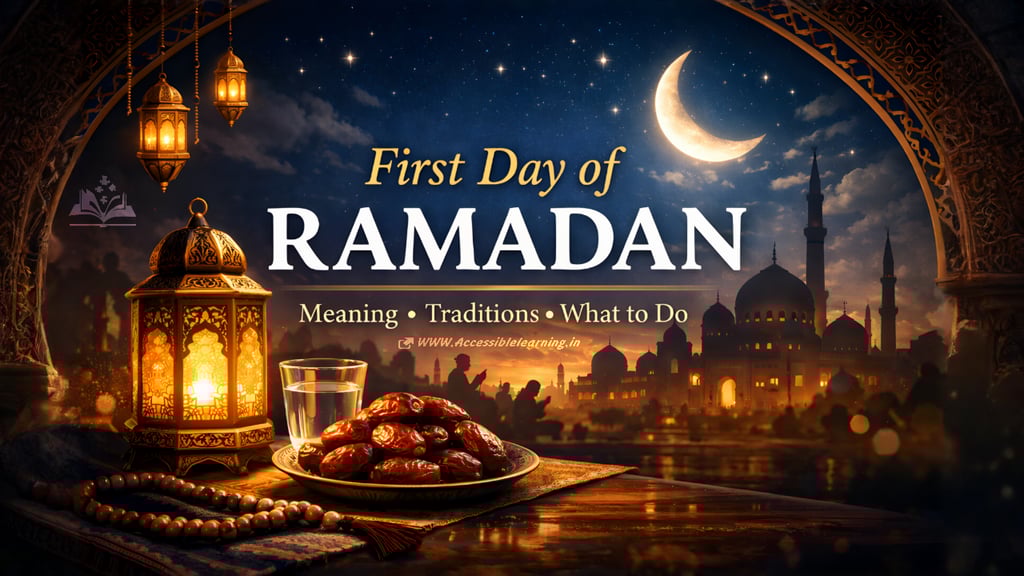
The first day of Ramadan is not just the beginning of a fasting month. For Muslims around the world, it’s a spiritual reset, a deeply emotional moment, and a fresh commitment to become better in faith, behavior, and gratitude. It marks the start of one of the most sacred periods in Islam, filled with worship, charity, self-control, community, and reflection.
Whether you are observing Ramadan for the first time, returning after years, or simply want to understand its importance, this guide covers everything you should know about the first day of Ramadan, from how it’s decided to what Muslims typically do, how fasting works, and how to prepare mentally and physically.
What Is Ramadan? (Quick Overview)
Ramadan is the 9th month of the Islamic lunar calendar. It is considered sacred because it commemorates the month when the Qur’an was first revealed to Prophet Muhammad (peace be upon him).
During Ramadan, Muslims:
Fast daily from dawn (Fajr) until sunset (Maghrib)
Increase prayer and Qur’an recitation
Practice self-discipline and patience
Give charity more actively
Strengthen relationships and community bonds
The first day is especially important because it sets the tone for the full month.
Why the First Day of Ramadan Is So Important
The first day matters because it represents:
1) A spiritual “new beginning”
Ramadan is often described as a month of mercy, a time when people begin again. The first day is when intentions become real.
2) The start of fasting and worship routines
Ramadan comes with major lifestyle changes, and the first day is the moment the body and mind begin adjusting.
3) A moment of unity
Muslims worldwide begin fasting around the same time (based on moon sighting). It creates a feeling of being part of something global and sacred.
4) An opportunity for purification
The first day is tied to the intention to cleanse the heart, behavior, and habits.
How Is the First Day of Ramadan Determined?
Ramadan begins based on the sighting of the new crescent moon (Hilal). There are two common methods:
1) Moon sighting (traditional method)
Many countries and Islamic communities begin Ramadan when the crescent moon is seen with the naked eye (or verified sightings).
2) Astronomical calculations
Some scholars and organizations use precise astronomical data to determine when the moon is born and visible.
Because of these differences, Ramadan may begin on different days in different countries.
Key point: Ramadan does not begin on a fixed Gregorian calendar date every year.
What Happens the Night Before the First Day? (The Ramadan “Welcome”)
The night Ramadan is confirmed becomes special instantly. Many families:
Announce: “Ramadan Mubarak!” (Blessed Ramadan)
Prepare groceries and meals for Suhoor/Iftar
Clean the home or organize prayer spaces
Make plans for Tarawih prayers
Set worship goals (Qur’an completion, charity targets, personal improvement)
Many people also feel a mix of emotions:
excitement
nervousness
gratitude
spiritual pressure to “do it right”
That emotional energy is part of what makes the first day unique.
What Is Suhoor? (Pre-Dawn Meal on First Day)
Suhoor is the meal eaten before dawn, before the fast begins.
Why Suhoor matters, especially on the first day:
It helps the body adjust to fasting after regular routines
It reduces fatigue in the first few hours of the day
It makes fasting easier mentally and physically
Best Suhoor foods (human-friendly and practical)
For a strong first day, Muslims usually prefer foods that release energy slowly:
Good options:
oats or porridge
eggs
whole grains (roti, brown rice)
yogurt and dates
bananas
nuts
water + electrolytes
Avoid on the first day:
too much fried food (causes thirst)
excessive tea/coffee (dehydrates)
very salty foods (increase thirst)
sugary items (energy crash)

Intention (Niyyah) for the First Day of Ramadan
Before fasting, Muslims make Niyyah, which means intention.
Do you need to say a special phrase?
In Islamic teachings, intention is primarily in the heart. Many people also say a dua, but the main requirement is:
You intend to fast for Ramadan sincerely for Allah.
The first day is powerful because it is the first time you mentally declare:
“I’m doing this to be better, closer to God, and spiritually clean.”
When Does the First Fast Begin?
The first fast begins at Fajr (dawn prayer time) and ends at Maghrib (sunset prayer time). That means:
You stop eating and drinking before Fajr
The fast is completed at sunset
What Is the Experience of the First Day Like?
The first day often feels different from later days.
Common feelings people experience:
hunger earlier than expected
headache (especially for coffee/tea drinkers)
low energy in mid-day
strong emotional awareness
spiritual motivation (high in the first day)
Important: This is normal. The body adjusts quickly after a few days.
What Does Fasting Actually Mean in Islam?
Fasting in Ramadan is not only about food.
During fasting hours, Muslims abstain from:
eating and drinking
smoking
marital intimacy
intentional vomiting
And spiritually, it also requires controlling:
anger
gossip/backbiting
lying
harmful speech
arrogance
This is why Ramadan fasting is described as a full-person discipline.
The First Iftar: Breaking the Fast on Day 1
Iftar is the meal eaten at sunset to break the fast. The first Iftar is often emotional, because:
you feel accomplishment
you feel gratitude for simple blessings like water
you remember those who don’t have food daily
Traditional Sunnah method of breaking fast:
Many Muslims break the fast with:
dates
water
Then pray Maghrib, then eat the full meal.
This practice is widely followed because it is simple and spiritually symbolic.
Typical First-Day Iftar Foods (Across Cultures)
Ramadan is global, and the first Iftar often includes cultural favorites:
South Asia (India/Pakistan/Bangladesh)
dates, fruit chaat
samosas, pakoras
rooh afza / lemonade
biryani, haleem
Middle East
lentil soup, hummus
sambousek
grilled meat dishes
laban/yogurt drinks
Africa
spicy soups
rice dishes
fried breads and sweet drinks
Western countries
balanced plates: protein + carbs + salad
quick meals due to work schedules
mosque/community iftars
One universal truth: The first Iftar tastes different because fasting makes you deeply thankful.
Tarawih Prayer on the First Night
On the first night of Ramadan, many Muslims attend Tarawih, a special prayer performed after Isha prayer. Tarawih is important because:
it increases connection to Qur’an
it builds discipline
it creates a Ramadan atmosphere
For many people, the first Tarawih feels like:
“Ramadan is officially here.”
Qur’an on the First Day: A Strong Start
A huge Ramadan goal for many is Qur’an reading. The first day is ideal for:
starting with a clear schedule
setting realistic targets
reflecting instead of rushing
Simple Qur’an goal example
20–25 minutes daily after Fajr
20 minutes after Tarawih
This easily builds consistency without burnout.
Charity (Sadaqah) on the First Day of Ramadan
Ramadan is a month of giving. The first day is often when Muslims begin:
food donations
helping neighbors
supporting community iftars
Zakat calculations and planning
giving quietly and consistently
A powerful idea behind Ramadan charity:
✅ You feel hunger, so you never ignore hunger again.
How to Prepare for the First Day of Ramadan (Practical Checklist)
Here’s a human-centered preparation guide that actually works:
Before Ramadan begins:
✅ fix sleep schedule (even slightly)
✅ reduce caffeine 4–7 days before (if possible)
✅ stock simple Suhoor items
✅ plan work/study schedule
✅ set spiritual goals
✅ clear your intentions
On the first day:
✅ drink water properly at Suhoor
✅ avoid heavy fried meals
✅ rest if possible
✅ keep mind calm
✅ focus on kindness and patience
Challenges on the First Day (And How to Handle Them)
1) Headache and fatigue
Why: caffeine withdrawal + dehydration
Fix:
reduce coffee before Ramadan
hydrate well at night
take rest breaks
2) Thirst
Why: salty food + too much tea + heat
Fix:
limit salty foods
avoid sugary drinks
increase water after Iftar
3) Mood swings
Why: hunger affects emotions
Fix:
avoid arguments
read Qur’an/dua when irritated
remember: fasting includes behavior control
4) Social and work pressure
Fix:
communicate your fasting needs politely
plan energy tasks for the morning.
avoid over-scheduling


What to Say on the First Day of Ramadan
Common greetings include:
Ramadan Mubarak (Blessed Ramadan)
Ramadan Kareem (Generous Ramadan)
People may also share duas and supportive messages like:
“May Allah accept your fasting and worship.”
The Spiritual Meaning Behind the First Day
At its deepest level, the first day teaches:
self-control over desires
gratitude for basic blessings
humility
empathy
spiritual focus
discipline
Ramadan begins with hunger, but it aims to end with a transformed heart.
First Day of Ramadan for New Muslims or First-Time Fasters
If this is your first Ramadan, remember:
start with sincerity, not perfection
your first day may feel hard, but it gets easier
the goal is growth, not hardship
don’t compare your Ramadan to others
A beautiful mindset:
“My best Ramadan is the one I can sustain.”
Why the First Day of Ramadan Feels So Special
The first day of Ramadan is a blend of devotion, discipline, and deep human emotion. It reminds people that life isn’t only about consumption, speed, or routine. It’s about purpose, gratitude, community, and becoming better.
You start with hunger, but you gain clarity.
You start with effort, but you end with spiritual strength.
Ramadan begins with one day.
And the first day is where transformation starts.
FAQ's
Q: Why does Ramadan start on different days in different countries?
Ramadan starts based on moon sighting (Hilal) or astronomical calculation, and visibility of the crescent moon differs by location. That’s why some countries begin Ramadan a day earlier or later than others.
Q: Is fasting valid if I wake up late and miss Suhoor on the first day?
Yes. Suhoor is Sunnah (recommended), not mandatory. If you miss Suhoor but still fast from dawn until sunset, your fast is valid.
Q: What should I eat on the first Suhoor to avoid tiredness?
The best Suhoor meals include:
oats/porridge
eggs
yogurt
bananas
dates
whole grains
These keep you full longer and help avoid energy crashes.
Q: Can I brush my teeth while fasting on the first day of Ramadan?
Yes. You can brush your teeth, but you should avoid swallowing water or toothpaste. Many people prefer using miswak or brushing carefully.
Q: Why do many Muslims break the first fast with dates?
Breaking the fast with dates and water is a Sunnah and also practical because dates:
give quick energy
are gentle on the stomach
help recover blood sugar naturally
Q: What if I feel very hungry or weak on the first day?
This is common on day one because the body is adjusting. Try:
resting when possible
avoiding intense physical work
drinking enough water between Iftar and Suhoor
If someone is ill or medically at risk, Islam provides exemptions.
Q: Does the first day of Ramadan have an extra reward?
Ramadan itself is filled with reward, and the first day is special because it marks the beginning of a month of mercy, discipline, and spiritual growth. Many people feel extra motivation and blessings at the start.
Q: Can kids fast on the first day of Ramadan?
Children are not obligated to fast, but many families encourage “practice fasting,” such as:
fasting half a day
skipping snacks but drinking water
fasting on weekends
It helps them learn gradually in a healthy way.
Q: What is the best dua to say on the first day of Ramadan?
There is no fixed “only first-day” dua required, but common heartfelt duas include asking for:
acceptance of fasting
forgiveness
strength to worship
protection from bad habits
Q: Why does the first Iftar feel so emotional?
Because fasting makes people experience:
gratitude for simple things (water, food)
empathy for those who struggle daily
a sense of achievement and closeness to God
That emotional impact is one of Ramadan’s biggest spiritual lessons.
Subscribe to Frontier Intelligence
All © Copyright reserved by Accessible-Learning Hub
| Terms & Conditions
Accessible Learning Hub — Actionable clarity for high-agency minds.
Weekly breakdowns on AI breakthroughs, capital flow, and human performance systems. Zero fluff.