

Festas Julinas Brazil: Traditional Winter Folk Festivals Explained
Discover the truth behind Brazil's Festas Julinas, from folk dances and rural traditions to local food, history, tourism, and authentic winter celebrations.
CULTURE/TRADITIONTRAVEL LIFEBRAZIL
Helena | Kim Shin
7/9/20265 min read
The Party Doesn't End in June
Anyone who tells you Festas Julinas are a separate national festival misses the point. They are the continuation of Brazil's legendary Festa Junina traditions into July. Schools, churches, neighborhoods, and municipalities extend celebrations because demand remains enormous and local calendars cannot fit every event into June.
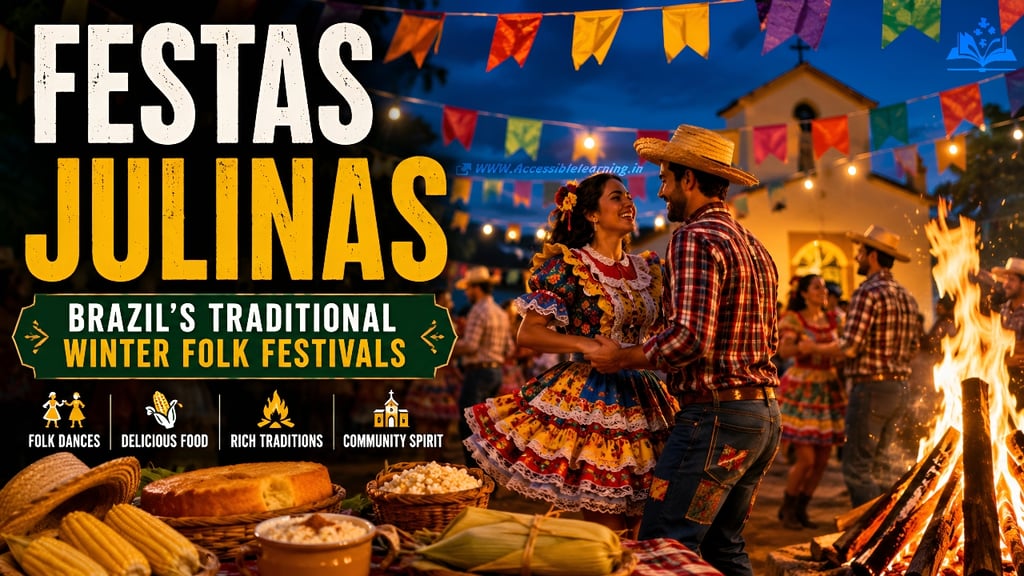
That matters because Brazil's winter arrives during June and July. While much of the world associates Brazil with tropical beaches and Carnival, millions of Brazilians spend winter wrapped in plaid shirts, straw hats, bonfires, and folk dances that honor rural heritage rather than urban glamour.
Unlike Carnival, which attracts global headlines and corporate sponsorships, Festas Julinas remain deeply tied to local communities. They generate tourism, but they still belong first to the people organizing them.
Rural Brazil Still Defines the Festival
The strongest influence behind Festas Julinas comes from Brazil's countryside.
Everything about the celebration points back to agricultural life.
People wear exaggerated farmer clothing known as caipira costumes. Children paint freckles on their faces. Couples perform the famous quadrilha dance, a choreographed folk performance inspired by European ballroom traditions but reshaped into something unmistakably Brazilian.
The wedding skits, fake priests, humorous storytelling, and comic performances create an atmosphere where rural identity becomes something to celebrate rather than hide.
Critics sometimes dismiss these costumes as stereotypes. They have a point. Some performances exaggerate country life into comedy. Yet many communities consciously balance humor with genuine respect for agricultural traditions that built entire regions of Brazil.
Food Drives the Festival as Much as Culture
Forget expensive gourmet dining. Festas Julinas celebrate ingredients that ordinary Brazilians have relied on for generations. Corn dominates nearly every menu.
Visitors encounter:
Roasted corn
Corn cake
Pamonha
Canjica
Curau
Sweet popcorn
Peanut candies
Cassava dishes
Rice pudding
Hot chocolate and mulled-style drinks
These foods make practical sense.
Brazilian winter temperatures drop enough in many regions to make warm desserts and hearty snacks appealing. Local farmers also benefit from increased seasonal demand for corn, peanuts, cassava, and sugar products.
The result feels authentic because it evolved from local harvest cycles instead of modern marketing campaigns.
The Quadrilha Isn't Random Dancing
The quadrilha remains the centerpiece of almost every Festas Julinas celebration. Many outsiders mistake it for casual folk dancing. Reality looks very different.
Communities spend months rehearsing. Schools organize competitions.
Professional costume makers receive seasonal orders.
Dance instructors prepare hundreds of participants.
Entire neighborhoods compete for prestige through choreography, storytelling, costume quality, and musical performance.
Some events even award significant prize money. Behind the cheerful atmosphere sits a surprisingly disciplined production that demands planning, fundraising, rehearsals, and volunteer coordination.
Churches Keep the Festival Alive
Many people forget the religious foundation. Traditional celebrations honor Saint Anthony, Saint John the Baptist, and Saint Peter.
Even when modern festivals emphasize music and food over religion, churches still organize countless events throughout Brazil. Local parishes use festivals to raise funds for community projects, schools, charitable work, and building maintenance.
That financial reality explains why these festivals continue thriving. The celebration entertains people while supporting institutions that often serve communities throughout the year.


Tourism Helps, But Locals Still Run the Show
Tourism boards increasingly promote winter festivals to diversify Brazil's image beyond beaches and Carnival. That strategy works. Domestic travelers move across states searching for famous festivals, especially in the Northeast and Southeast.
Hotels, restaurants, transportation companies, costume shops, musicians, photographers, and street vendors all benefit from increased visitor numbers. Yet Festas Julinas rarely feel manufactured.
Unlike festivals built primarily for international visitors, these celebrations still depend on schools, neighborhood associations, churches, volunteer groups, and municipal governments.
Tourists join an existing celebration instead of becoming the reason it exists. That distinction protects much of the festival's authenticity.
The Logistics Nobody Talks About
A successful Festas Julinas event requires far more than colorful decorations.
Organizers secure permits.
Volunteers build food stalls.
Electricians install temporary lighting.
Fire safety teams monitor bonfires.
Musicians coordinate performance schedules.
Schools prepare student presentations.
Health inspectors oversee food vendors.
Waste collection crews clean public spaces before sunrise.
None of that appears on Instagram.
Without thousands of hours of volunteer work and municipal coordination, the charming village atmosphere would collapse almost immediately.
Modern Brazil Keeps Reinventing Tradition
Not every festival looks identical anymore.
Large cities increasingly blend traditional folk music with contemporary Brazilian genres.
Some celebrations replace bonfires because of environmental restrictions.
Digital ticketing appears at larger venues. Social media influences costume trends.
Corporate sponsors occasionally fund bigger productions.
Purists complain that commercialization threatens authenticity.
They aren't entirely wrong. However, traditions survive because they adapt.
Communities constantly negotiate how much modernization they can accept before losing the festival's identity.
That debate has become part of the tradition itself.
Practical Travel Guide
If you plan to experience Festas Julinas, preparation matters more than luck.
Best time: Throughout July, especially immediately after the peak Festa Junina season.
What to wear: Comfortable clothing, closed shoes, and an extra layer. Brazilian winter evenings can surprise visitors, particularly in southern and southeastern states.
Bring cash: Many local vendors still prefer cash despite growing digital payment options.
Arrive early: Popular community festivals become crowded well before the main dance performances.
Respect local traditions: Watch the quadrilha before joining. Many dances follow structured choreography rather than spontaneous participation.
Try regional food: Corn-based dishes vary significantly between Brazilian regions.
Why Festas Julinas Still Matter
Festas Julinas succeed because they reject the idea that culture belongs only inside museums.
These festivals create living traditions where children learn old dances, farmers see their work celebrated, churches strengthen community ties, musicians preserve regional styles, and neighborhoods organize events that would never survive without volunteer commitment.
Brazil offers countless attractions, but few reveal everyday cultural identity as honestly as a local winter folk festival.
The music sounds louder because families sing together.
The food tastes better because recipes travel through generations.
The dances feel meaningful because entire communities invest months preparing them.
That combination explains why Festas Julinas continue expanding every year.
Not because tourism demands them.
Because Brazilians do.

FAQs
Q: What are Festas Julinas in Brazil?
Festas Julinas are traditional Brazilian winter folk festivals held throughout July. They continue the famous Festa Junina celebrations with folk dances, rural-themed costumes, bonfires, music, and regional foods.
Q: What is the difference between Festa Junina and Festas Julinas?
Festa Junina takes place in June, while Festas Julinas are July extensions of the same tradition. The customs, food, music, and celebrations remain largely the same, but events continue because many communities cannot fit all festivities into June.
Q: Where are the best Festas Julinas celebrated in Brazil?
Major Festas Julinas take place across Brazil, especially in the Northeast, Southeast, and South. Cities and towns host community festivals, church fairs, school events, and large public celebrations throughout July.
Q: What food is traditionally served during Festas Julinas?
Traditional foods include roasted corn, pamonha, canjica, curau, corn cake, peanut sweets, cassava dishes, rice pudding, popcorn, and hot seasonal drinks.
Q: Why do people wear farmer costumes during Festas Julinas?
The costumes honor Brazil's rural heritage and agricultural traditions. Plaid shirts, straw hats, dresses, painted freckles, and boots represent the caipira lifestyle celebrated during the festivals.
Q: Is Festas Julinas a religious festival?
Yes. The celebrations have Catholic roots connected to Saints Anthony, John the Baptist, and Peter. While many modern events focus on music and culture, churches still organize numerous festivals for fundraising and community activities.
Q: Can tourists attend Festas Julinas?
Absolutely. Most Festas Julinas are open to visitors, making them one of the best ways to experience authentic Brazilian culture, traditional folk dances, local cuisine, and community celebrations.
Q: When is the best time to visit Brazil for Festas Julinas?
The best time is throughout July, when communities across Brazil continue winter folk celebrations after the June festival season, often with fewer crowds than the peak Festa Junina events.
Subscribe To Our Newsletter
All © Copyright reserved by Accessible-Learning Hub
| Terms & Conditions
Knowledge is power. Learn with Us. 📚

