

Eisaku Satō: Japan's Longest-Serving Prime Minister and Nobel Peace Prize Laureate
Discover Eisaku Satō's legacy as Japan's longest-serving PM, Nobel Peace Prize winner, and architect of nuclear non-proliferation policy. Complete biography & achievements.
BIOGRAPHY/HISTORYJAPAN HISTORYTHE GREAT LEADER
Kim Shin
1/16/20267 min read
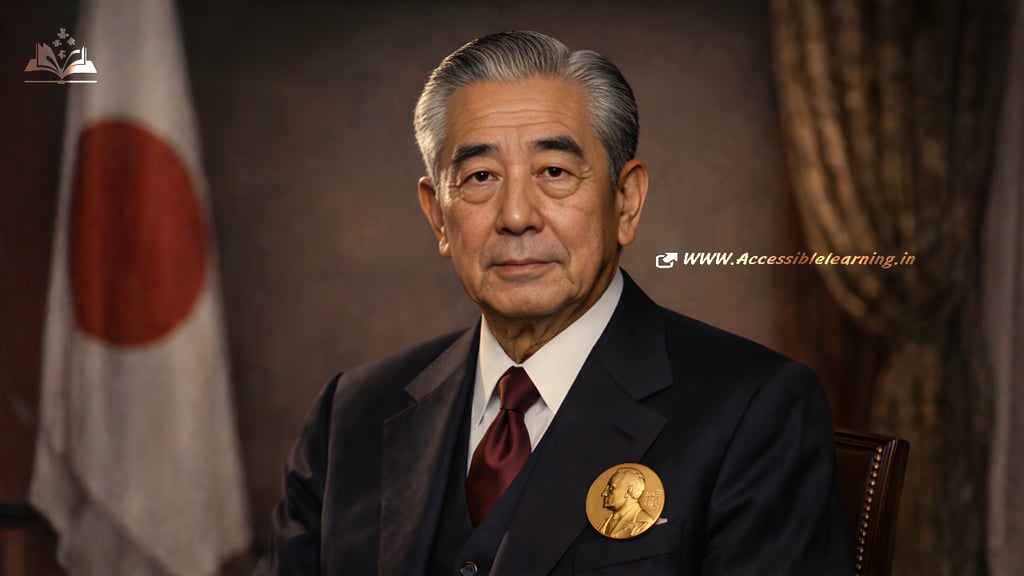
Who Was Eisaku Satō?
Eisaku Satō stands as one of Japan's most influential political figures of the 20th century. Serving as Prime Minister from 1964 to 1972, Satō guided Japan through a transformative period of economic growth and diplomatic achievement. His leadership culminated in receiving the Nobel Peace Prize in 1974, making him the first Asian to receive this honor for political diplomacy.
Understanding Satō's legacy requires examining his role in post-war Japan's reconstruction, his nuclear non-proliferation stance, and his successful negotiation for Okinawa's return from American control.
Early Life and Political Formation
Family Background and Education
Born on March 27, 1901, in Tabuse, Yamaguchi Prefecture, Eisaku Satō came from a politically active family. His older brother, Nobusuke Kishi, also served as Prime Minister (1957-1960), making them one of the few sibling pairs to both lead Japan.
Satō graduated from Tokyo Imperial University (now the University of Tokyo) in 1924 with a law degree. He immediately entered the Ministry of Railways, beginning a civil service career that would shape his pragmatic approach to governance.
Rise Through Government Ranks
Satō's bureaucratic career spanned two decades before entering electoral politics. His experience in transportation and infrastructure administration provided him with:
Deep understanding of Japan's economic reconstruction needs
Networks across government ministries
Reputation as a skilled administrator and negotiator
In 1948, Satō transitioned to electoral politics, winning a seat in the House of Representatives. He quickly rose through the Liberal Democratic Party (LDP) ranks, holding various cabinet positions, including Minister of Finance and Minister of International Trade and Industry.
Prime Ministerial Tenure: 1964-1972
Japan's Economic Miracle Leadership
Satō became Prime Minister on November 9, 1964, just as the Tokyo Olympics concluded. His nearly eight-year tenure coincided with Japan's extraordinary economic expansion, often called the "Japanese Economic Miracle."
Key Economic Achievements:
Japan's GDP grew at an average annual rate exceeding 10% during much of his tenure
Japan became the world's second-largest economy by 1968
Infrastructure modernization, including the expansion of the Shinkansen (bullet train) network
Development of heavy industries and technology sectors
Satō's government balanced rapid industrial growth with social welfare expansion, establishing the foundation for Japan's modern economic structure.
The Three Non-Nuclear Principles
Perhaps Satō's most enduring domestic policy legacy is the "Three Non-Nuclear Principles" (Hikaku San Gensoku), formally announced in 1967:
Not possessing nuclear weapons
Not producing nuclear weapons
Not permitting nuclear weapons into Japanese territory
These principles became fundamental to Japan's post-war identity and pacifist constitution. The policy reflected deep national sentiment following Hiroshima and Nagasaki while maintaining Japan's security alliance with the United States.
Okinawa Reversion: Diplomatic Triumph
Satō's signature diplomatic achievement was negotiating Okinawa's return to Japanese sovereignty from American control. The Ryukyu Islands had remained under U.S. military administration since World War II.
The Negotiation Process
Formal negotiations began in 1969 between Satō and President Richard Nixon
The Okinawa Reversion Agreement was signed in 1971
Official transfer occurred on May 15, 1972, shortly after Satō left office
This achievement resonated deeply with the Japanese public, addressing a major source of national concern about territorial integrity while maintaining the U.S.-Japan security alliance.
Relations with South Korea
Satō's administration normalized relations with South Korea through the Treaty on Basic Relations (1965). This controversial decision:
Established formal diplomatic ties between the two nations
Provided Japanese economic assistance to South Korea
Addressed but did not fully resolve historical grievances from Japan's colonial period
Sparked significant domestic protests from opponents
Nobel Peace Prize Recognition
In 1974, Eisaku Satō received the Nobel Peace Prize, sharing it with Irish peace activist Seán MacBride. The Norwegian Nobel Committee cited Satō's contribution to stability in East Asia and his commitment to nuclear non-proliferation.
Significance of the Award
First Asian statesman to receive the Peace Prize
International recognition of Japan's peaceful post-war development
Validation of the Three Non-Nuclear Principles
Symbol of Japan's rehabilitation in the international community
The award remains somewhat controversial in retrospect, as scholars later revealed that Satō privately allowed U.S. nuclear weapons on Japanese territory under secret agreements, contradicting his public stance.
Political Philosophy and Governance Style
Pragmatic Conservatism
Satō embodied pragmatic conservatism, prioritizing:
Economic development over ideological purity
Strengthening the U.S.-Japan alliance while pursuing independent diplomacy
Gradual social reform rather than revolutionary change
Bureaucratic expertise in policymaking
The Yoshida Doctrine Continuation
Satō continued the foreign policy approach established by Prime Minister Shigeru Yoshida, emphasizing:
Economic development as the primary national goal
Reliance on U.S. security guarantees
Limited military spending (approximately 1% of GDP)
Focus on economic rather than military power
This approach allowed Japan to concentrate resources on economic growth while avoiding military entanglements during the Cold War.
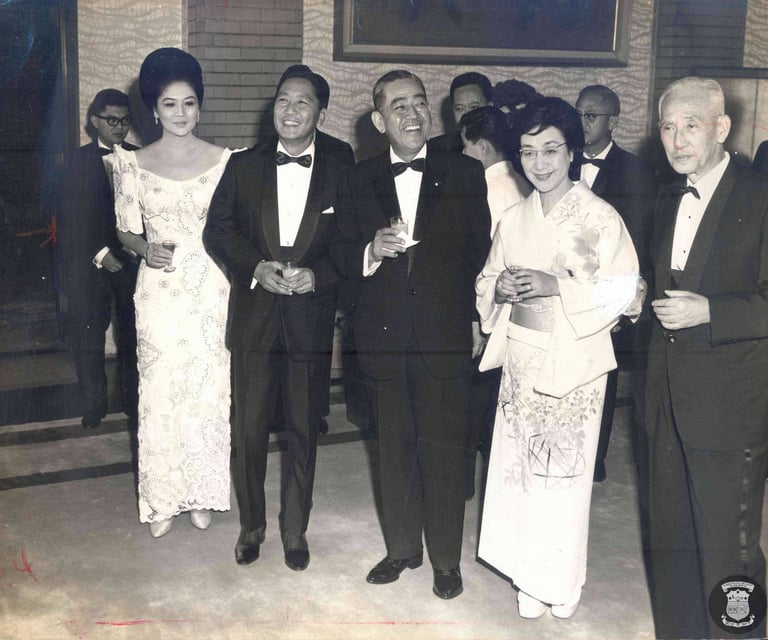
Challenges and Controversies
The Secret Nuclear Agreements
Declassified documents revealed that Satō had secretly agreed to allow U.S. nuclear weapons transit through Japanese territory and storage in Okinawa, contradicting his public Three Non-Nuclear Principles. This revelation has complicated his legacy regarding nuclear non-proliferation.
Student Protests and Social Unrest
Satō's tenure coincided with significant social upheaval:
Widespread student protests against the U.S.-Japan Security Treaty renewal (1970)
Opposition to the Vietnam War
Concerns about rapid industrialization's social costs
Growing environmental awareness and pollution protests
His government's response was often heavy-handed, using riot police to suppress demonstrations, which damaged his popularity among younger Japanese.
Economic Inequality Concerns
While aggregate economic growth was remarkable, critics pointed to:
Growing urban-rural economic disparities
Pollution and environmental degradation from rapid industrialization
Questions about sustainable economic models
Concerns about work-life balance in Japan's corporate culture
Post-Prime Ministerial Life and Death
After leaving office in July 1972, Satō remained influential in LDP politics but largely withdrew from public life. He received the Nobel Prize in 1974, his final major public recognition.
Eisaku Satō died on June 3, 1975, at age 74, from a stroke. His funeral was attended by numerous international dignitaries, reflecting his stature in global affairs.
Legacy and Historical Assessment
Enduring Policy Impacts
Satō's influence persists through:
The Three Non-Nuclear Principles remain official Japanese policy
The template for Japan-U.S. relations he refined continues
Okinawa reversion as a model of successful territorial negotiation
Economic policies that sustained Japan's growth trajectory
Complex Historical Evaluation
Modern historians assess Satō with nuance:
Positive Assessments
Effective steward of Japan's economic miracle
Successful diplomat who enhanced Japan's international standing
Resolved the politically sensitive Okinawa issue
Maintained political stability during turbulent times
Critical Perspectives
Secret nuclear agreements undermined his public principles
Authoritarian responses to social protests
Insufficient attention to environmental and social costs of growth
Incomplete reconciliation with Asian neighbors regarding wartime history
Comparison with Contemporary Leaders
Satō's tenure can be compared with other long-serving leaders:
Longer than most democratic leaders of his era
Similar to Konrad Adenauer's role in West German reconstruction
Paralleled Lee Kuan Yew's emphasis on economic development in Singapore
Contrasted with more charismatic but less stable leadership elsewhere in Asia
Eisaku Satō's eight-year premiership represents a pivotal chapter in modern Japanese history. He guided the nation through its transformation into an economic superpower while establishing principles of nuclear non-proliferation that remain central to Japanese identity.
His legacy embodies the contradictions of post-war Japan—economic success built on American security guarantees, public pacifism complicated by secret military agreements, and rapid modernization at social and environmental costs. The revelation of secret nuclear agreements has complicated his historical assessment, particularly regarding the Nobel Peace Prize.
Nevertheless, Satō's achievements in economic stewardship, diplomatic negotiation, and political stability cannot be dismissed. His successful navigation of Okinawa reversion alone represents a diplomatic triumph. The economic foundation laid during his tenure enabled decades of Japanese prosperity.
For contemporary observers, Satō's era offers lessons about balancing economic development with social welfare, managing alliance relationships while pursuing national interests, and the complexities of reconciling public principles with geopolitical realities. His tenure remains essential to understanding modern Japan's development and its role in East Asian affairs.
As Japan continues confronting regional security challenges, economic stagnation, and questions about its international role, Satō's approach to these perennial issues—pragmatic, alliance-focused, and economically oriented—continues influencing policy debates. His legacy endures not just in specific policies but in the fundamental approach to governance and diplomacy that shaped post-war Japan.

Frequently Asked Questions
Q: How long did Eisaku Satō serve as Japan's Prime Minister?
Eisaku Satō served as Prime Minister for 2,798 days (approximately 7 years and 8 months) from November 9, 1964, to July 7, 1972. This makes him the longest-serving Prime Minister in Japanese constitutional history, a record that stood until Shinzo Abe surpassed it in 2019.
Q: Why did Eisaku Satō win the Nobel Peace Prize?
Satō received the 1974 Nobel Peace Prize primarily for his Three Non-Nuclear Principles and his role in promoting stability in East Asia. The Norwegian Nobel Committee recognized his commitment to nuclear non-proliferation and his diplomatic efforts, particularly the peaceful reversion of Okinawa. However, this award later became controversial when secret agreements allowing U.S. nuclear weapons were revealed.
Q: What were the Three Non-Nuclear Principles?
The Three Non-Nuclear Principles (Hikaku San Gensoku) declared that Japan would not possess, produce, or permit the introduction of nuclear weapons into its territory. Announced in 1967 and adopted by the Diet in 1971, these principles became a cornerstone of Japan's post-war pacifist identity, though secret agreements with the United States complicated their implementation.
Q: How was Eisaku Satō related to Nobusuke Kishi?
Eisaku Satō and Nobusuke Kishi were brothers, though they used different surnames. Both served as Prime Minister of Japan, with Kishi serving from 1957-1960 and Satō from 1964-1972. They remain the only siblings to both hold Japan's highest political office. Their family connections extended further—Satō's grandnephew, Shinzo Abe (son of Kishi's daughter), also became Prime Minister.
Q: What was Eisaku Satō's role in Okinawa's return to Japan?
Satō negotiated the return of Okinawa from U.S. administration to Japanese sovereignty, achieving what many considered impossible. Through discussions with President Nixon beginning in 1969, he secured the Okinawa Reversion Agreement (1971), which took effect in 1972. This diplomatic victory addressed a major nationalist concern while maintaining U.S. military bases essential to regional security arrangements.
Q: Did Eisaku Satō support Japan's remilitarization?
Satō supported maintaining the U.S.-Japan Security Treaty and the Self-Defense Forces but did not advocate significant remilitarization. He adhered to the Yoshida Doctrine, keeping military spending at approximately 1% of GDP while relying on American security guarantees. His Three Non-Nuclear Principles reinforced Japan's pacifist constitution, though he maintained the security alliance necessary for Japan's defense.
Q: What economic policies defined Satō's administration?
Satō's economic approach emphasized export-oriented growth, infrastructure development, industrial policy coordination through ministries like MITI, and maintaining favorable conditions for corporate expansion. His administration oversaw Japan becoming the world's second-largest economy while expanding social welfare programs. The government actively coordinated between business and bureaucracy in the developmental state model.
Q: How did Eisaku Satō handle relations with China?
Satō maintained recognition of Taiwan (Republic of China) rather than the People's Republic of China, following U.S. policy during his tenure. This position became increasingly untenable as international recognition shifted toward Beijing. His successor, Kakuei Tanaka, normalized relations with the PRC in 1972, shortly after Satō left office. Satō's China policy reflected Cold War alignment priorities over independent diplomatic initiatives.
Subscribe To Our Newsletter
All © Copyright reserved by Accessible-Learning Hub
| Terms & Conditions
Knowledge is power. Learn with Us. 📚

