

Eid al-Fitr Explained: Meaning, History, Traditions, and Hidden Spiritual Lessons
Discover the true meaning of Eid al-Fitr, its history, traditions, hidden spiritual lessons, global celebrations, and modern insights. A complete guide to understanding Eid beyond sweets and celebrations.
CULTURE/TRADITIONEVENT/SPECIALCELEBRATION/FESTIVALS
JK
3/11/20265 min read
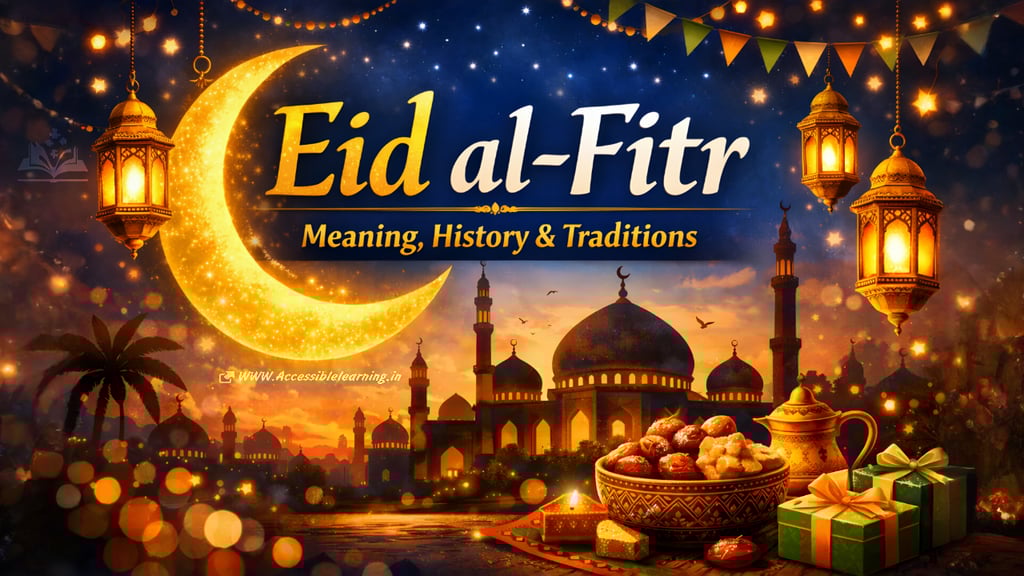
Eid al-Fitr is one of the most important celebrations in Islam. It marks the end of Ramadan, the holy month of fasting, reflection, charity, and spiritual renewal. But beyond the sweets, new clothes, and gatherings, Eid carries layers of meaning that many articles often skip. It is not just a celebration. It is a reminder of discipline, gratitude, social justice, and unity.
This article explores Eid al-Fitr in depth, from its history and rituals to its hidden cultural and psychological significance.
What Does Eid al-Fitr Mean?
"Eid" means "festival" or "celebration," and "Fitr" comes from the word for "breaking the fast." So Eid al-Fitr literally means the festival of breaking the fast.
It is celebrated on the first day of Shawwal, the tenth month of the Islamic lunar calendar. Because the Islamic calendar follows the moon, Eid shifts about 10–11 days earlier each year in the Gregorian calendar.
The Historical Origin of Eid al-Fitr
Eid al-Fitr dates back to 624 CE, when the Prophet Muhammad established it in Medina after the first Ramadan fasts were observed. Eid replaced tribal festivals with a celebration rooted in gratitude, equality, and faith.
Why Eid Comes After Ramadan
Ramadan is a month of fasting, avoiding harmful habits, increasing prayer, and helping the poor. Eid celebrates the inner growth achieved during that period. It reminds people to carry forward discipline into daily life.
The Spiritual Meaning Most People Miss
Gratitude After Discipline
Fasting teaches appreciation. After Ramadan, basic things feel precious. Eid reminds people not to return to wasteful habits.
Equality
On Eid morning, rich and poor pray together. There is no special row. This symbolizes equality before God.
Social Justice Through Charity
Before Eid prayers, Muslims give Zakat al-Fitr so even poor families can celebrate. Few festivals make charity mandatory.
Community Healing
People reconnect with relatives, forgive past conflicts, and repair social bonds.
How Eid al-Fitr Is Celebrated
Moon sighting to announce Eid
Special Eid prayer in mosques or open grounds
Giving Zakat al-Fitr charity
Wearing new or best clothes
Visiting family and friends
Sharing sweets and meals
Popular Eid Foods Around the World
India & Pakistan: Sheer Khurma, Seviyan, Biryani
Middle East: Maamoul cookies, Baklava
Turkey: Lokum and pastries
Indonesia: Ketupat rice cakes
Africa: Spiced meat stews
Food becomes a way of sharing culture and identity.
Hidden Cultural Traditions of Eid
Cleaning the home before Eid to symbolize renewal
Visiting graves to remember loved ones
Calling elders for forgiveness
Giving charity quietly to protect dignity

Eid Around the World
Saudi Arabia has large public prayers, Indonesia sees mass travel to hometowns, India hosts vibrant bazaars, and Western countries hold multicultural Eid fairs. Each culture keeps the same spirit with different colors.
Psychological Benefits of Eid
Fasting builds self-control. Charity improves emotional well-being. Social gatherings reduce loneliness. Gratitude increases life satisfaction. Eid combines all these benefits in one celebration.
Economic Impact of Eid
Eid boosts clothing sales, travel, food markets, and small businesses. Artisans, tailors, and street vendors earn a large part of their yearly income during Eid season. Islam also teaches balance so celebration does not become financial pressure.
Lesser-Known Dimensions of Eid al-Fitr
Eid as a Social Equalizer
Many communities forgive debts, give bonuses to workers, and host open meals for strangers. Historically, rulers opened courts to common people on Eid to hear complaints.
Ethics of Celebration
Islam encourages moderation. Eco-friendly Eid movements promote reusable decorations, simple gifts, and shared meals.
Emotional Reset
Eid marks the end of intense reflection. Ritual celebration helps people return to life with new habits and motivation.
Quiet Acts of Worship
Some Muslims spend Eid feeding animals, helping travelers, or donating secretly. These acts are rarely public but deeply meaningful.
The Role of Women in Eid Traditions
Women often prepare meals, decorate homes, and organize gatherings. Eid nights include henna art and passing down family recipes. Modern families are encouraged to share responsibilities so celebration stays joyful.
Eid in the Digital Age
Video calls connect families worldwide. Online charity platforms simplify donations. Digital invitations replace printed cards. But experts recommend staying offline during prayer time to stay present.
Untold Stories of Eid in Difficult Times
In refugee camps, hospitals, and poor communities, Eid still happens in simple ways. A shared fruit, a small prayer, a handmade toy. These moments show resilience and hope.
Teaching Children the Real Meaning of Eid
Parents can involve children in charity packing, visiting elders, sharing stories of kindness, and donating part of their gift money. This builds empathy early.
Eid as a Bridge Between Cultures
In many countries, Eid is celebrated by neighbors of different religions exchanging sweets and greetings. It becomes a symbol of unity and cultural respect.
How to Keep the Spirit of Eid Alive All Year
Continue small weekly charity
Practice occasional fasting
Forgive quickly
Spend time with family without distractions
Stay grateful for simple things
Eid al-Fitr is more than sweets and new clothes. It is a spiritual checkpoint that asks whether Ramadan changed us for the better. When gratitude, kindness, and discipline continue after Eid, the celebration becomes meaningful. Eid Mubarak.


FAQ's
Q: Why does the Eid al-Fitr date change every year?
Eid follows the Islamic lunar calendar. Since the lunar year is about 10–11 days shorter than the solar year, Eid shifts earlier each year in the Gregorian calendar.
Q: How is the Eid date decided?
Eid begins after the new moon of Shawwal is sighted. Some countries rely on local moon sightings, while others follow announcements from religious authorities or astronomical calculations.
Q: Is fasting allowed on Eid day?
No. Fasting on Eid al-Fitr is forbidden. It is meant to be a day of celebration, gratitude, and sharing food.
Q: What is Zakat al-Fitr, and why is it important?
Zakat al-Fitr is a charity given before Eid prayer. It ensures poor families can celebrate Eid with dignity. It also purifies mistakes made during Ramadan fasting.
Q: How long does Eid al-Fitr last?
Religiously, Eid lasts one day, but celebrations often continue for two or three days depending on culture and country.
Q: What should Muslims do on Eid morning?
Common practices include:
Taking a bath and wearing clean or new clothes
Eating something sweet before prayer
Giving Zakat al-Fitr
Attending Eid prayer
Greeting others with “Eid Mubarak”
Q: What is the difference between Eid al-Fitr and Eid al-Adha?
Eid al-Fitr marks the end of Ramadan fasting. Eid al-Adha commemorates Prophet Ibrahim’s devotion and is connected to the Hajj pilgrimage.
Q: Can non-Muslims celebrate Eid?
Yes. Non-Muslims can join respectfully by greeting friends, sharing food, or attending community events. Eid is a time of hospitality and inclusion.
Q: Why do people wear new clothes on Eid?
New clothes symbolize renewal after Ramadan. It represents a fresh start, spiritual cleanliness, and dignity in celebration.
Q: What are traditional Eid foods?
It depends on the region. In India and Pakistan, popular dishes include Sheer Khurma and Seviyan. In the Middle East, Maamoul and baklava are common. Every culture adds its own flavor.
Q: Why do children receive money or gifts (Eidi)?
Eidi is a tradition to bring joy to children and teach generosity. It encourages sharing and celebration within families.
Q: What is the deeper message of Eid al-Fitr?
The true message is gratitude, compassion, and self-improvement. Eid reminds people to continue the kindness, charity, and discipline learned during Ramadan.
Q: Can Eid be celebrated alone?
Yes. People who are traveling or living away from family can still celebrate by praying, calling loved ones, giving charity, and sharing food with neighbors.
Q: Why is community important on Eid?
Eid strengthens relationships. Visiting relatives, helping the poor, and greeting neighbors builds social harmony and reduces loneliness.
Q: What mistakes should be avoided on Eid?
Common mistakes include overspending, wasting food, ignoring charity, or turning Eid only into a fashion event. Balance and gratitude are key.
Subscribe to Frontier Intelligence
All © Copyright reserved by Accessible-Learning Hub
| Terms & Conditions
Accessible Learning Hub — Actionable clarity for high-agency minds.
Weekly breakdowns on AI breakthroughs, capital flow, and human performance systems. Zero fluff.