

Easter Sunday: Meaning, History, Traditions, and Global Celebrations
Discover the meaning, history, traditions, and global significance of Easter Sunday. Learn why this important Christian celebration symbolizes resurrection, hope, renewal, and new life around the world.
CULTURE/TRADITIONEVENT/SPECIALUSARUSSIACELEBRATION/FESTIVALSEUROPEAN UNION
Kim Shin
3/24/20267 min read
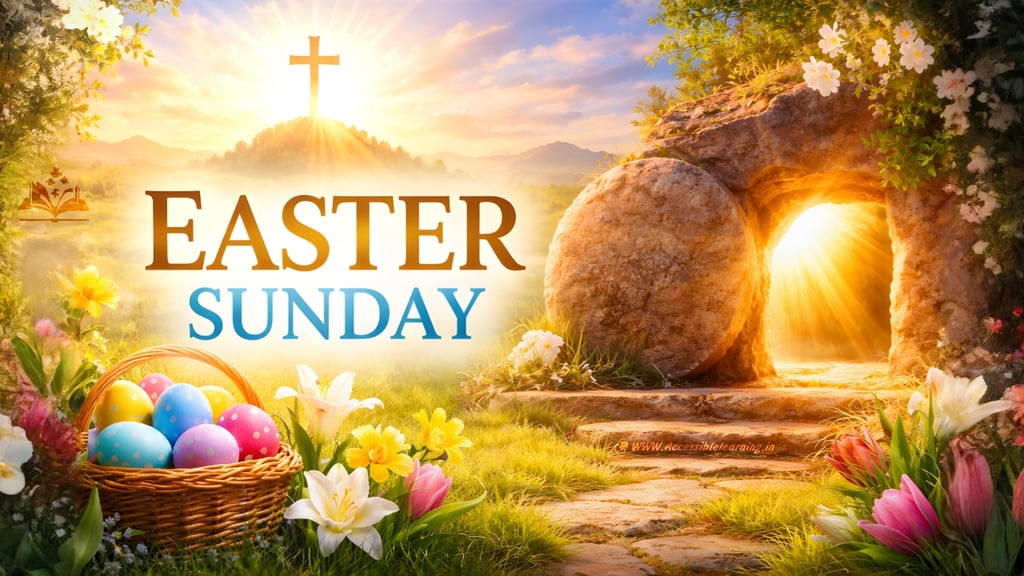
Easter Sunday is one of the most important celebrations in Christianity. It marks the resurrection of Jesus Christ from the dead, an event that symbolizes hope, renewal, and victory over death. Observed by millions of Christians around the world, Easter represents the central message of the Christian faith: the promise of new life and spiritual redemption.
Beyond its religious meaning, Easter has also become a cultural celebration associated with spring, family gatherings, festive meals, colorful eggs, and joyful community traditions.
This article explores the history, meaning, traditions, and global significance of Easter Sunday, along with why it continues to be one of the most widely celebrated holidays worldwide.
What is Easter Sunday?
Easter Sunday commemorates the belief that Jesus Christ rose from the dead on the third day after his crucifixion. According to Christian scriptures, this resurrection occurred after Jesus was crucified on Good Friday and buried in a tomb.
The resurrection is considered the foundation of Christian faith because it represents:
Victory of life over death
Hope for eternal life
Forgiveness and redemption for humanity
Renewal of faith and spiritual rebirth
For Christians, Easter is not just a historical event. It is a reminder that faith, love, and hope can overcome suffering and hardship.
When is Easter Sunday Celebrated?
Unlike many holidays that fall on the same date each year, Easter is a movable feast. Easter Sunday is celebrated on:
The first Sunday after the first full moon following the spring equinox.
Because of this calculation, Easter usually falls between
March 22 and April 25.
Different Christian traditions sometimes observe Easter on slightly different dates depending on the calendar used.
The Biblical Story Behind Easter
The story of Easter is recorded in the New Testament of the Bible. According to Christian belief:
Jesus was arrested and sentenced to death.
He was crucified on Good Friday.
His body was placed in a tomb.
On the third day, women visiting the tomb found it empty.
Jesus appeared to his followers, confirming his resurrection.
This moment is seen as proof that Jesus is the Son of God and that death does not have the final power over life.
The Meaning and Spiritual Symbolism of Easter
Easter carries several powerful spiritual messages.
1. Resurrection and New Life
The resurrection represents the idea that life can emerge from suffering and despair.
2. Hope and Faith
Easter reminds believers that hope can exist even in the darkest moments.
3. Forgiveness and Redemption
The event symbolizes the possibility of forgiveness and spiritual transformation.
4. Renewal and Rebirth
Because Easter happens in spring, it also connects with the natural cycle of renewal, growth, and fresh beginnings.

Important Days Leading Up to Easter
Easter is part of a larger period known as Holy Week, which includes several important observances.
Palm Sunday
Marks Jesus' entry into Jerusalem, where crowds welcomed him with palm branches.
Maundy Thursday
Commemorates the Last Supper shared with his disciples.
Good Friday
Remembers the crucifixion and death of Jesus.
Holy Saturday
A day of quiet reflection before the resurrection celebration.
Easter Sunday
Celebrates the resurrection and victory over death.
Popular Easter Traditions Around the World
Over centuries, Easter has developed many traditions that blend religious meaning with cultural celebration.
Easter Church Services
Many Christians attend sunrise services to symbolize the discovery of the empty tomb at dawn.
Easter Eggs
Eggs represent new life and rebirth. Decorating eggs has become a popular tradition in many countries.
Easter Bunny
In Western cultures, the Easter Bunny is believed to deliver colorful eggs and treats to children.
Family Gatherings and Meals
Families often come together for special meals featuring seasonal foods and desserts.
Easter Parades
Cities in some countries hold festive parades celebrating the arrival of spring.
Common Easter Symbols and Their Meaning
The Cross: Represents sacrifice, faith, and salvation.
The Empty Tomb: Symbolizes the resurrection of Jesus.
Eggs: Signify new life and fresh beginnings.
Lilies: White lilies are traditional Easter flowers symbolizing purity and renewal.
Light and Sunrise: Many celebrations occur at sunrise to represent the moment of resurrection.
Easter Celebrations Around the World
Easter traditions vary widely depending on culture and region.
Europe
Countries like Italy and Spain host dramatic religious processions and church ceremonies.
United States
Egg hunts, Easter baskets, and family gatherings are common.
Philippines
Large public celebrations and reenactments of biblical events take place.
Greece
Midnight church services and festive meals mark the celebration.
Latin America
Communities hold elaborate religious parades and public prayers.
Despite these differences, the central message of hope and resurrection remains the same.
Why Easter Matters Today
Even in the modern world, Easter continues to hold deep spiritual and cultural significance. For believers, it is a reminder that faith brings hope even in difficult times. For many families, Easter represents:
Time spent together
Celebration of spring
Renewal of traditions
Reflection and gratitude
The holiday continues to inspire people across cultures with its message of renewal and transformation.
Easter Sunday stands as one of the most meaningful and widely celebrated religious holidays in the world. Rooted in the story of resurrection and renewal, it carries a timeless message of hope, faith, and new beginnings.
Whether observed through prayer, church services, cultural traditions, or family gatherings, Easter continues to unite people through its powerful reminder that life, light, and hope always rise again.


Lesser-Known or Surprising Facts About Easter
Easter’s date changes every year because it follows the lunar calendar, not a fixed calendar date.
The word “Easter” may come from an ancient spring goddess named Eostre, linked to renewal and fertility.
Easter eggs existed long before chocolate eggs. In early traditions, eggs were dyed red to represent the blood of Christ.
The Easter Bunny tradition started in Germany in the 1700s and was later brought to America by German immigrants.
The world’s largest Easter egg weighed over 7,000 kg and was created in Italy in 2011.
Hot cross buns are traditionally eaten on Good Friday, symbolizing the crucifixion through the cross on top.
In some countries, people splash water on Easter Monday as a symbol of purification and new life.
The Easter lily became a symbol of resurrection because it blooms in spring and represents purity and hope.
Egg rolling is a famous Easter tradition, where decorated eggs are rolled down hills to symbolize the stone rolling away from Jesus’ tomb.
Chocolate sales during Easter are among the highest in the year, second only to Halloween in many countries.
FAQ's
Q: What is Easter Sunday, and why is it celebrated?
Easter Sunday is a major Christian festival that celebrates the resurrection of Jesus Christ from the dead after his crucifixion. It represents victory over death, the promise of eternal life, and the central belief of Christianity. The day is observed with church services, prayers, and family celebrations around the world.
Q: When is Easter Sunday celebrated?
Easter Sunday does not have a fixed date. It is celebrated on the first Sunday after the first full moon following the spring equinox. Because of this calculation, Easter usually falls between March 22 and April 25 each year.
Q: Why does the date of Easter change every year?
The date of Easter is determined using a combination of solar and lunar calendars. The early Christian church decided that Easter should occur after the spring equinox and the following full moon, which causes the date to shift each year.
Q: What happened on Easter according to the Bible?
According to the New Testament, Jesus Christ was crucified on Good Friday and buried in a tomb. On the third day, women who visited the tomb discovered it was empty. Christians believe Jesus rose from the dead and appeared to his followers, proving his resurrection.
Q: What are the main traditions of Easter Sunday?
Common Easter traditions include:
Attending church services or sunrise worship
Decorating and exchanging Easter eggs
Easter egg hunts for children
Family gatherings and festive meals
Giving Easter baskets with sweets and gifts
These traditions symbolize joy, new life, and celebration.
Q: What do Easter eggs symbolize?
Easter eggs symbolize new life, rebirth, and resurrection. The egg represents the empty tomb of Jesus and the promise of new beginnings. Decorating eggs has become a popular cultural tradition in many countries.
Q: What is the Easter Bunny, and where did it come from?
The Easter Bunny is a folkloric symbol believed to bring eggs and treats to children. The tradition originated in Germany and was later popularized in Europe and North America. Rabbits are associated with spring and fertility, which connects them to themes of renewal.
Q: What is Holy Week, and how is it related to Easter?
Holy Week is the week leading up to Easter and includes several important Christian observances:
Palm Sunday – Jesus enters Jerusalem
Maundy Thursday – The Last Supper
Good Friday – Crucifixion of Jesus
Holy Saturday – Day of reflection
Easter Sunday – Celebration of resurrection
Q: Is Easter a public holiday?
In many countries, Good Friday and Easter Monday are public holidays, while Easter Sunday itself is mainly observed as a religious and cultural celebration. The status of the holiday depends on the country's traditions and laws.
Q: Why is Easter considered the most important Christian holiday?
Easter is considered the most important Christian celebration because it commemorates the resurrection of Jesus Christ, which forms the foundation of Christian faith. Without the resurrection, the central message of Christianity about salvation and eternal life would not exist.
Q: How do different countries celebrate Easter?
Easter celebrations vary globally. Some common examples include:
Religious processions and church ceremonies in Europe
Easter egg hunts and family gatherings in the United States
Midnight church services in Greece
Public religious events and reenactments in the Philippines and Latin America
Despite cultural differences, the spiritual message remains the same.
Q: What foods are traditionally eaten on Easter Sunday?
Traditional Easter foods vary by region but commonly include:
Roast lamb or chicken
Easter bread and pastries
Chocolate eggs and sweets
Seasonal vegetables and festive desserts
These meals often symbolize celebration and abundance after the fasting period of Lent.
Q: What is Lent, and how does it relate to Easter?
Lent is a 40-day period of fasting, prayer, and reflection observed by many Christians before Easter. It begins on Ash Wednesday and ends just before Easter Sunday. Lent prepares believers spiritually for the celebration of resurrection.
Q: What is an Easter sunrise service?
An Easter sunrise service is a special church gathering held early in the morning on Easter Sunday. It symbolizes the moment when followers discovered the empty tomb at sunrise, marking the resurrection of Jesus.
Q: What is the deeper message of Easter today?
The deeper message of Easter is about hope, renewal, forgiveness, and transformation. It reminds believers that even in difficult times, faith and perseverance can lead to new beginnings.
Subscribe to Frontier Intelligence
All © Copyright reserved by Accessible-Learning Hub
| Terms & Conditions
Accessible Learning Hub — Actionable clarity for high-agency minds.
Weekly breakdowns on AI breakthroughs, capital flow, and human performance systems. Zero fluff.