

Dongzhi Festival Explained: History, Meaning, Traditions, and Food
A detailed and human-centered guide to the Dongzhi Festival (Winter Solstice). Explore its history, cultural meaning, foods, regional traditions, myths, wellness practices, and modern celebrations. Perfect for readers interested in East Asian festivals, culture, and seasonal traditions.
CULTURE/TRADITIONCHINAEVENT/SPECIALCELEBRATION/FESTIVALS
Kim Shin
12/11/20253 min read
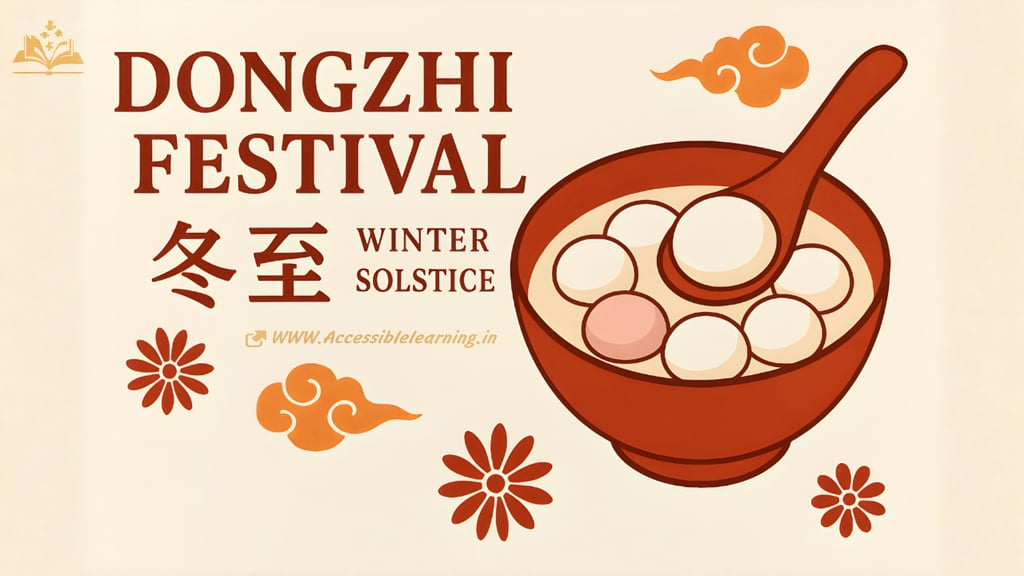
The Dongzhi Festival, celebrated during the Winter Solstice, is one of the oldest and most meaningful festivals in East Asian tradition. Beyond the familiar Tangyuan and dumplings, Dongzhi connects astronomy, philosophy, mythology, medicine, family culture, seasonal food, and spiritual beliefs. It’s a celebration built on thousands of years of observation and human understanding of the natural world.
This expanded guide covers even more depth, unique facts, regional differences, and cultural layers.
The Astronomical Importance of Dongzhi
Dongzhi marks the moment when the sun reaches its most southern point in the sky. This results in:
the shortest daylight of the year
the longest night
the start of longer days ahead
Ancient Chinese astronomers used gnomons (shadow-measuring instruments) to calculate this precise moment. Their mastery allowed them to align calendars, agriculture, and rituals with accuracy that influenced East Asia for millennia.
Many ancient buildings, including imperial altars and temples, are aligned to catch the Winter Solstice sunlight.
Connection to the 24 Solar Terms
Dongzhi is a key part of the traditional 24 Solar Terms, which divides the year into natural climate-based segments.
Dongzhi signals:
extreme cold approaching
storage season for preserved foods
preparation for the next agricultural cycle
Traditional sayings include:
“Winter Solstice arrives, days grow longer.”
“Eat well in winter to rise strong in spring.”
Farmers treated Dongzhi as a spiritual reset for nature and themselves.
Mythological and Spiritual Symbolism
Dongzhi is not just a date. It carries symbolic meaning across several belief systems.
Taoism
The return of sunlight symbolizes:
rebirth
the rise of positive forces
cleansing of stagnant energies
Some Taoist temples hold ceremonies to “welcome Yang energy.”
Confucianism
Dongzhi emphasizes:
filial respect
family harmony
honoring ancestors
Families perform rituals to strengthen generational bonds.
Folk Myths
In some regions, people believe:
Dongzhi night is when old spirits leave and new blessings arrive
consuming hot foods protects the soul in the coldest season
lighting candles or lamps invites positive energy into the home
Foods Beyond Tangyuan and Dumplings
Different communities celebrate with different seasonal dishes.
Meat Bone Soup (Huadong Regions)
Long-simmered broth with pork bones, ginger, and Chinese herbs strengthens the body.
Mutton Hotpot (Northern China)
Eating lamb is believed to boost Yang energy and improve circulation.
Nine-Layer Cakes (Fujian and Taiwan)
Colorful sticky rice cakes symbolizing growth, step by step.
Sticky Rice with Eight Treasures (Southern China)
A fragrant dessert with lotus seeds, dates, nuts, and sweet beans.
Winter Greens (Hong Kong & Guangdong)
Dishes made with choy sum or mustard greens promote detox and good luck.

Regional Traditions and Variations
Mainland China
Different regions have different customs:
Shandong: people drink warm rice wine.
Jiangsu: families make Laba porridge-like sweet soups.
Zhejiang: rice cakes symbolizing progress.
Guangzhou: family feasts with herbal broth.
Taiwan
Dongzhi is almost like a mini New Year.
Families:
repair household items
settle small debts
do cleansing rituals
visit temples for health blessings
Hong Kong & Macau
Many businesses give employees small Tangyuan boxes as symbolic gifts.
Malaysia & Singapore (Peranakan Chinese)
Tangyuan is called “Ah Balling” and is often served in fragrant peanut or pandan broth.
Korea – Dongji (동지)
The signature food is Patjuk (red bean porridge).
People spread it on doorways to ward off evil.
Japan – Toji (冬至)
Celebrations include:
Yuzu hot baths
pumpkin dishes
shrine visits
The focus is on preventing illness.
Traditional Chinese Medicine and Dongzhi
TCM considers Dongzhi a key point for winter wellness.
Seasonal Recommendations
eat warming foods (ginger, lamb, cinnamon, jujube)
avoid cold or raw foods
sleep earlier
keep the body warm, especially feet and lower back
practice gentle stretching to support circulation
“Dongzhi Tonic Foods”
Many families prepare winter tonics like
ginseng chicken soup
angelica root broth
wolfberry tea
They help strengthen Qi for the coming cold months.
Cosmic and Calendar Significance
Dongzhi once marked the start of the new year during the Han Dynasty.
It was believed:
the universe resets at Dongzhi
all energies rebalance
humans must align spiritually and physically
This is why ancient emperors performed grand ceremonies at the Temple of Heaven in Beijing.
Social Customs You Don’t Hear Often
“Adding One Year” Tradition
Some families count age not by birthdays, but by Dongzhi.
Children “grow one year older” after eating Tangyuan.
Candle and Lamp Rituals
Lighting lamps at home invites warmth and pushes away darkness.
“Balancing Yin-Yang at Home”
Some families rearrange furniture slightly during Dongzhi to welcome returning Yang energy.
Dongzhi Fortune-Telling
In some rural regions, elders:
read weather patterns
interpret cloud shapes
predict next year’s harvest
make small blessings for the household
Is Dongzhi Celebrated by Non-Chinese Communities?
Yes. Along with Korea and Japan, many Southeast Asian countries embrace it culturally.
Even non-Asian wellness communities now observe the Winter Solstice for:
meditation
reflection
spiritual resets
gratitude rituals
Some people treat Dongzhi as a quiet “mental health refresh day.”
Modern Ways People Celebrate Dongzhi
Today’s younger generation also celebrates, but in creative ways:
seasonal Tangyuan cafes
winter-themed Instagram photos
Dongzhi pop-up markets
artistic Tangyuan desserts (matcha, chocolate, fruit flavors)
online family gatherings for those abroad
Some even treat it as
a night for journaling
vision boards for the coming year
cozy indoor self-care time
Rare, Lesser-Known Facts About Dongzhi
The Forbidden City has architectural alignments connected to Winter Solstice light.
In some villages, people decorate Tangyuan with edible gold to represent wealth.
A few regions paint red bean paste on cows' foreheads as a good-luck farming ritual.
Old calendars describe Dongzhi as “the revival of the sun spirit.”
Chinese poets wrote many winter solstice poems celebrating love, home, and longing.
Some communities do “memory food rituals” where Tangyuan is offered to deceased loved ones.
Dongzhi Festival blends:
astronomy
mythology
philosophy
family culture
wellness
winter food
spiritual balance
It celebrates warmth in the coldest season and reminds us that even after the darkest night, light always returns.
Subscribe To Our Newsletter
All © Copyright reserved by Accessible-Learning Hub
| Terms & Conditions
Knowledge is power. Learn with Us. 📚

