

Devutthana Ekadashi: The Day Vishnu Ji Awakens and the World Begins Anew
Devutthana Ekadashi, also known as Prabodhini Ekadashi, marks the awakening of Vishnu Ji from His divine rest, symbolizing the renewal of energy, righteousness, and spiritual consciousness. Observed with deep devotion, fasting, and the sacred Tulsi Vivah ritual, this day reflects the universal truth that after every rest comes awakening—both cosmic and human.
CULTURE/TRADITIONINDIA/BHARATCELEBRATION/FESTIVALS
Keshav Jha
10/25/20256 min read
What Is Devutthana Ekadashi?
Devutthana Ekadashi, or Prabodhini Ekadashi, falls on the 11th day (Ekadashi) of the Shukla Paksha (waxing moon) in the Hindu month of Kartik—usually in October or November.
It signifies the end of Chaturmas, the four-month period during which Vishnu Ji is believed to rest in Ksheer Sagar (the cosmic ocean). During this time, auspicious ceremonies like marriages and housewarmings are avoided.
When the God “awakens” on Devutthana Ekadashi, it marks the spiritual reactivation of divine energy, symbolizing the resumption of prosperity, order, and cosmic balance.
Mythological Background
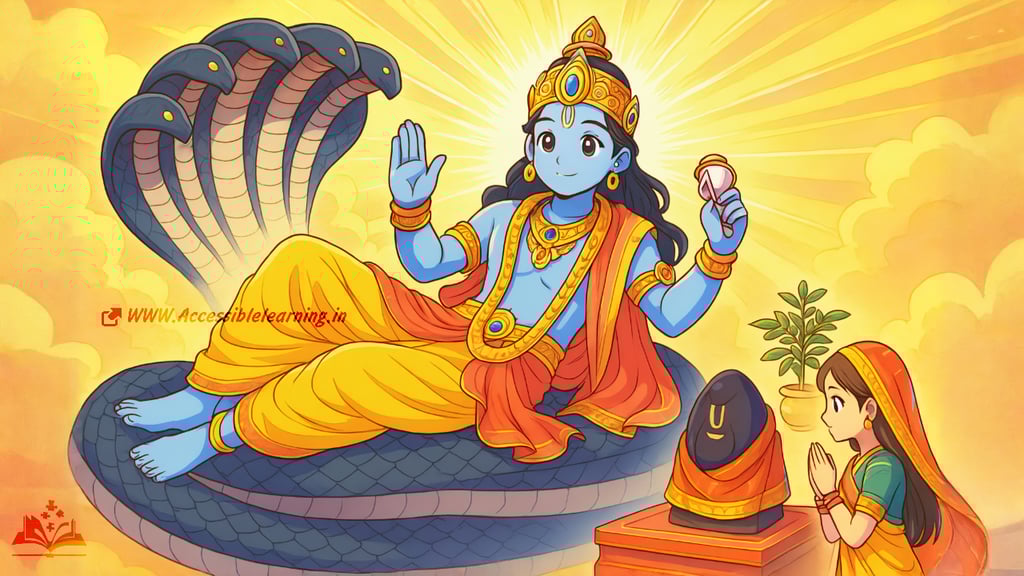
According to Hindu scriptures such as the Padma Purana and Skanda Purana, Vishnu Ji goes into a state of deep rest (Yoga Nidra) on Devshayani Ekadashi, lying on the Sheshnag serpent in the Ksheer Sagar.
This rest signifies pause and preservation, where the universe enters a period of stillness. Devotees use this time to practice austerity, simplicity, and devotion.
After four months, on Devutthana (awakening) Ekadashi, Mata Lakshmi performs sacred rituals and prayers to wake Vishnu. This moment of awakening is celebrated as the return of divine order, when life’s energies, both material and spiritual, begin to flow again.
Many traditions also associate this day with Tulsi Vivah, symbolizing the sacred marriage of Lord Vishnu (in the form of Shaligram) with Mata Tulsi (the holy basil plant). It represents the union of the divine masculine and feminine principles, harmonizing creation itself.
Rituals and Traditions
Devutthana Ekadashi is celebrated with great devotion and purity. Here are some of the main practices:
Fasting and Devotion
Devotees observe a complete or partial fast, abstaining from grains, salt, and certain foods.
Many chant Vishnu Sahasranama (a hymn of 1000 names of Vishnu) or read Bhagavad Gita and Bhagavata Purana.
Fasting purifies the body and mind, preparing devotees for inner awakening.
Tulsi Vivah
The ceremonial marriage of Tulsi and Vishnu marks the beginning of the Hindu wedding season.
The ritual involves decorating the Tulsi plant like a bride and performing a symbolic marriage with a Shaligram or Vishnu idol.
It signifies the union of spiritual and material life, emphasizing the sanctity of love, devotion, and ecological reverence.
Devutthana Mandap
Devotees create a symbolic bed for Vishnu Ji using clay or cow dung, decorated with lamps, flowers, and sugarcane.
The Lord is awakened by singing bhajans (devotional songs), blowing conch shells, and lighting diyas (lamps).
This symbolizes awakening divine consciousness in every home and heart.
Significance of Devutthana Ekadashi
Devutthana Ekadashi is deeply spiritual, philosophical, and symbolic. It teaches that divine cycles mirror human life—after rest comes renewal, and after darkness, light.
A Call to Awaken
As Vishnu Ji awakens, humans too are called to awaken—from ignorance, complacency, and ego. The day encourages people to renew their faith and purpose.
Renewal of Dharma
It marks the restoration of Dharma (righteousness), reminding us that goodness, truth, and discipline must guide human life.
End of Chaturmas
After Vishnu’s awakening, the period of restraint ends, and the time for celebrations, marriages, and festivities begins.
Ecological and Spiritual Connection
Tulsi, the sacred plant central to this festival, represents purity, health, and environmental harmony. Worshiping Tulsi reflects India’s ancient eco-spiritual values, reminding people that protecting nature is part of divine duty.
Symbol of Cosmic Balance
In the cosmic sense, Vishnu’s awakening represents the restoration of balance in the universe—between action and rest, chaos and order, matter and spirit.
Devutthana Ekadashi Across India
The festival is observed with regional diversity but shared devotion:
North India: Varanasi, Mathura, and Ayodhya host grand Tulsi Vivah rituals and fairs. Homes are decorated with lights, flowers, and sugarcane arches.
Maharashtra: Villagers create symbolic clay beds for Vishnu and perform group aartis accompanied by folk songs and bhajans.
Gujarat and Rajasthan: Tulsi Vivah is celebrated elaborately with music, sweets, and rituals resembling real weddings.
South India: Vishnu temples are illuminated with oil lamps, and devotees chant the Vishnu Sahasranama collectively, creating a mesmerizing spiritual atmosphere.
Across India, Devutthana Ekadashi unites millions in faith, bridging culture, devotion, and community.

The Spiritual Message of Devutthana Ekadashi
Beyond rituals, Devutthana Ekadashi holds a timeless message about human awakening. It teaches that, like the universe, every individual goes through periods of rest, confusion, and silence. But ultimately, one must rise—renewed and aware.
Spiritually, it urges introspection and discipline.
Emotionally, it encourages letting go of negativity and starting fresh.
Socially, it inspires compassion, truthfulness, and service.
The awakening of Vishnu is symbolic of the awakening of inner divinity—the realization that the divine exists within every heart, waiting to be stirred by awareness and devotion.
Historical and Cultural Insights
The observance of Devutthana Ekadashi dates back thousands of years and has evolved through cultural layers of symbolism:
In ancient Vedic traditions, this day was seen as a cosmic reactivation point, aligning with lunar and seasonal transitions.
The ritual of Tulsi Vivah was introduced to blend spiritual ecology with devotion, emphasizing respect for life-giving plants.
Kings and rulers in medieval India would start public works, temple constructions, and community feasts after this Ekadashi, considering it auspicious for new ventures.
In Bhakti literature, saints like Tulsidas, Tukaram, and Mirabai referenced Devutthana Ekadashi as a metaphor for the awakening of divine love within the human soul.
Thus, it’s not only a religious event but also a cultural, ecological, and philosophical festival that binds people across generations.
Devutthana Ekadashi in the Modern World
Even in today’s fast-paced life, the festival holds timeless relevance.
Mindful Living: The act of fasting promotes self-control, patience, and mental clarity.
Eco-Spirituality: Honoring Tulsi reinforces the importance of preserving natural ecosystems.
Cultural Continuity: The rituals connect modern generations with ancestral wisdom and shared values.
Emotional Renewal: The day serves as a reminder that life’s pauses are temporary—and every rest leads to a new rise.
For many, Devutthana Ekadashi is not just about divine awakening—it’s about resetting one’s energy, purpose, and gratitude toward life.
Devutthana Ekadashi is a day of light, life, and divine renewal. It marks the end of rest and the beginning of movement, urging humans to rise with awareness, just as Vishnu Ji does.
It reminds us that awakening isn’t only divine—it’s deeply human. Every struggle, stillness, or confusion in life carries the seed of awakening, waiting to bloom into wisdom and peace.
When Vishnu opens His eyes, the world realigns—and when humans open their hearts, the universe within begins anew.

Facts About Devutthana Ekadashi
Devutthana Ekadashi means “God’s Awakening.”
The Sanskrit word Devutthana literally translates to “the day the Lord rises,” referring to Lord Vishnu waking from His cosmic rest.It marks the end of Chaturmas.
The four-month period of Vishnu’s rest, beginning from Devshayani Ekadashi, concludes on this day, reopening the window for auspicious ceremonies.Tulsi Vivah begins the Hindu wedding season.
The symbolic marriage between Maa Tulsi and Vishnu Ji (as Shaligram) is celebrated with wedding-like rituals across India.Spiritual “awakening” mirrors human consciousness.
The festival’s deeper meaning lies in awakening our inner divinity—moving from ignorance to awareness.The day holds ecological importance.
Tulsi, revered for her healing and air-purifying qualities, highlights India’s eco-spiritual traditions linking nature with faith.Observed in both homes and temples.
While many families perform rituals at home, major temples like Badrinath, Tirupati, and Pandharpur hold grand celebrations.Devutthana Ekadashi is one of the most powerful fasts.
According to the Padma Purana, observing this Ekadashi grants blessings equivalent to performing a thousand Ashwamedha Yagnas.The transition is cosmically symbolic.
The period between Devshayani and Devutthana Ekadashi aligns with seasonal shifts—signifying the balance between rest and renewal in both nature and spirit.Also known by several regional names.
Devutthana Ekadashi is called Hariprabodhini Ekadashi, Bodhana Ekadashi, and Utthana Ekadashi in different regions of India.Vishnu’s awakening marks the time for action.
Spiritually, the day motivates devotees to awaken from inaction, start afresh, and live with clarity and devotion.
Frequently Asked Questions
Q: When is Devutthana Ekadashi in 2025?
Devutthana Ekadashi in 2025 will be observed on Tuesday, November 11. The Parana (breaking of the fast) should be done the next morning after sunrise.
Q: Why is Vishnu Ji believed to sleep during Chaturmas?
It symbolizes a divine pause in creation. During these four months, nature and human life are encouraged to rest, reflect, and practice restraint before renewal begins.
Q: What is the spiritual importance of Devutthana Ekadashi?
It represents spiritual awakening—a reminder for humans to rise above ignorance and realign their lives with truth, compassion, and purpose.
Q: What food is allowed during the Ekadashi fast?
Devotees usually consume fruits, milk, nuts, and light foods like sabudana khichdi. Grains, lentils, and rice are avoided as a sign of purity and discipline.
Q: What is the connection between Devutthana Ekadashi and Tulsi Vivah?
Tulsi Vivah is performed on this day or the next, signifying the sacred union of Mata Tulsi (Lakshmi) and Vishnu Ji (Shaligram). It marks the beginning of auspicious events and marriages in Hindu tradition.
Q: What are the benefits of observing Devutthana Ekadashi Vrat?
Fasting and prayer on this day purify the mind and soul, bring peace, and invoke divine blessings for prosperity and harmony in life.
Q: Can Tulsi Vivah be done at home?
Yes. A simple ritual with devotion—decorating the Tulsi plant, lighting a lamp, reciting Vishnu mantras, and performing aarti—is enough to honor the divine union.
Q: Is Devutthana Ekadashi observed differently across regions?
Yes. Northern states emphasize Tulsi Vivah and fairs, while southern states focus on Vishnu Sahasranama recitations and temple lighting. The core essence remains the same—devotion and divine awakening.
Q: What message does Devutthana Ekadashi convey in modern life?
It reminds people to pause, recharge, and awaken—physically, mentally, and spiritually. Just as Vishnu Ji awakens, humans too should rise from inertia and live consciously.
Q: What should one donate on Devutthana Ekadashi?
Donating food, lamps, clothes, and spiritual books is considered highly auspicious. Charity performed on this day is believed to yield long-lasting spiritual merit.
Subscribe To Our Newsletter
All © Copyright reserved by Accessible-Learning Hub
| Terms & Conditions
Knowledge is power. Learn with Us. 📚

