

Dev Deepawali: The Divine Festival of Lights in Varanasi
Dev Deepawali, also known as Diwali of the Gods, is celebrated in Varanasi on the full moon night of Kartik Purnima. This divine festival marks Shiv Ji’s victory over Tripurasura and transforms the ghats of the Ganges into a glowing paradise with millions of diyas. Explore its history, spiritual meaning, rituals, and the breathtaking celebration that makes Varanasi the city of eternal light
CULTURE/TRADITIONINDIA/BHARATCELEBRATION/FESTIVALSTRAVEL LIFE
---
10/27/20255 min read
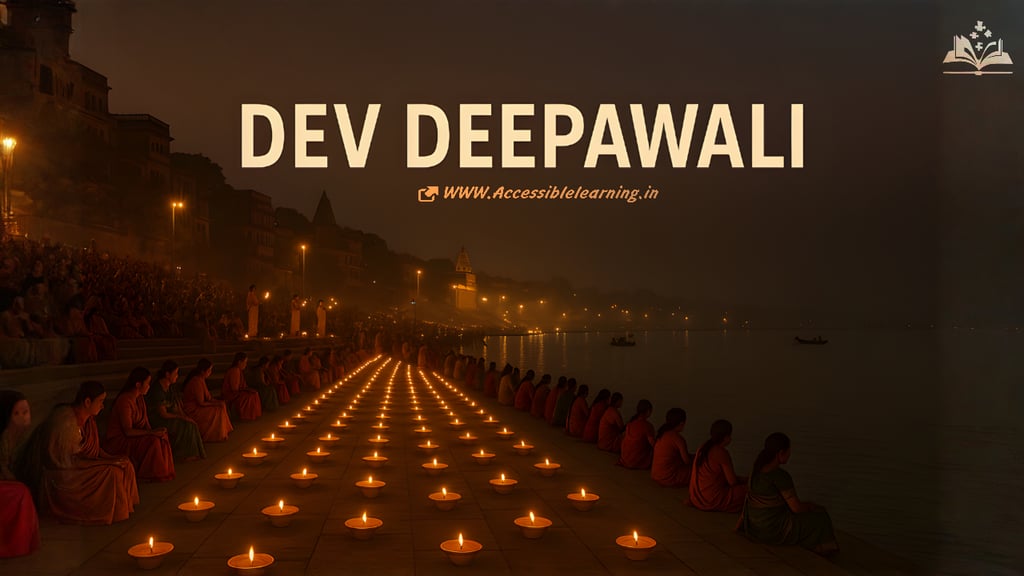
Dev Deepawali, also known as Diwali of the Gods, is one of the most divine and visually stunning festivals in India. Celebrated fifteen days after Diwali, it takes place on the full moon night (Purnima) of the Hindu month Kartik. The sacred city of Varanasi (Kashi) becomes a radiant spectacle as millions of oil lamps (diyas) illuminate the ghats of the Ganges River.
While Diwali marks the homecoming of Ram Ji, Dev Deepawali celebrates the triumph of Shiv Ji over the demon Tripurasura. It’s not just a festival of lights but also a deeply spiritual event that unites devotion, art, and culture in one luminous celebration.
Historical and Mythological Significance
The roots of Dev Deepawali lie in the legend of Tripura Samhara, where Shiv Ji destroyed the three demon cities (Tripura) ruled by the asura brothers. After his victory, the gods celebrated by lighting lamps in his honor—symbolizing the conquest of divine power over evil.
Hence, this day came to be known as Dev Deepawali, or the “Festival of Lights of the Gods.” It’s believed that on this day, celestial beings descend to Varanasi to bathe in the Ganges and celebrate the occasion, turning the city into a divine realm on Earth.
When and Where Dev Deepawali is Celebrated
Dev Deepawali is celebrated every year on Kartik Purnima, which usually falls in November or early December. Though the festival is observed in many parts of India, it holds special grandeur in Varanasi, the spiritual capital of India.
The celebration spans across the famous ghats of the Ganges, such as Dashashwamedh Ghat, Assi Ghat, Raj Ghat, Panchganga Ghat, and Manikarnika Ghat. Each ghat glows with countless lamps, creating a mesmerizing reflection on the river’s surface. The view from the riverboats during this night is often described as “a vision of heaven.”
Rituals and Celebrations
Dev Deepawali begins with the ritual of Deepdan—the offering of light. As dusk falls, thousands of devotees light earthen lamps along the ghats, stairs, and temples. The aroma of incense, sound of conch shells, and rhythmic chants create an atmosphere of pure devotion.
The rituals include:
Ganga Aarti: A grand ceremony performed by priests dressed in traditional attire with large brass lamps, synchronized movements, and chants dedicated to Mata Ganga.
Holy Bath (Kartik Snan): Devotees take a dip in the sacred Ganges early in the morning to cleanse their sins and attain divine blessings.
Lamp Lighting: Women light diyas in honor of their ancestors and deities, while the entire city gleams in the golden glow.
Cultural Performances: Classical dance, devotional music, and Vedic chants enrich the spiritual experience, blending religion with art.
On this night, even the temples across Varanasi are adorned with floral decorations and lights, enhancing the city’s ethereal charm.
Spiritual and Cultural Importance
Dev Deepawali holds deep spiritual significance. It marks the merging of divine energy with human devotion. The lighting of lamps symbolizes inner awakening and the victory of truth and knowledge over ignorance.
For locals and pilgrims, the festival is a way to honor both Shiv Ji and Mother Ganga. It also symbolizes the unity of faith, nature, and light. The celebration promotes peace, purity, and the connection between humanity and divinity.
Culturally, the festival has evolved into a magnificent event that draws visitors from across the globe. The entire city transforms into a grand stage of devotion and art, showcasing the timeless heritage of Varanasi.
Modern-Day Dev Deepawali
In recent years, Dev Deepawali has gained global recognition for its breathtaking beauty. The government and local authorities organize special events, including cultural parades, laser shows, and traditional music performances.
Tourists can witness the ceremony from decorated boats, capturing the surreal reflection of thousands of lamps floating on the Ganges. The combination of spirituality, art, and light makes it a photographer’s paradise and a seeker’s delight.
Despite modernization, the soul of the festival remains rooted in tradition. Families still gather to light lamps, offer prayers, and celebrate divine energy in its purest form.

Environmental and Social Initiatives
In modern celebrations, environmental awareness has become an integral part of Dev Deepawali. Many organizations encourage the use of eco-friendly earthen lamps instead of electric lights to preserve the traditional essence and protect the environment.
The festival also promotes social unity, as thousands of volunteers, locals, and pilgrims work together to clean the ghats, decorate the area, and assist visitors—embodying the spirit of community and devotion.
Dev Deepawali is not just a festival; it’s an experience that connects heaven and earth. The shimmering ghats, the echoing chants, and the sacred aura of Varanasi remind people of India’s deep spiritual legacy.
In every glowing lamp lies a message—light conquers darkness, purity transcends chaos, and devotion bridges humanity with divinity. For anyone seeking a glimpse of India’s soul, Dev Deepawali in Varanasi is a celebration not to be missed.
FAQs
Q: What is Dev Deepawali?
Dev Deepawali, also known as Diwali of the Gods, is a sacred Hindu festival celebrated on Kartik Purnima, fifteen days after Diwali. It marks the victory of Shiv Ji over the demon Tripurasura and symbolizes the triumph of light over darkness. The festival is most famously celebrated in Varanasi, where millions of diyas (oil lamps) illuminate the ghats of the River Ganga.
Q: When is Dev Deepawali celebrated in 2025?
In 2025, Dev Deepawali will be celebrated on November 10, 2025 (Monday). The festival occurs on the full moon night of the Hindu month Kartik, and the celebrations begin in the evening and continue late into the night.
Q: Why is Dev Deepawali celebrated in Varanasi?
Varanasi, also known as Kashi, is believed to be the city of Shiv Ji. According to Hindu mythology, after Shiv Ji defeated the demon Tripurasura, the gods descended to Varanasi to celebrate by lighting lamps on the ghats of the Ganga. Hence, the city holds unmatched spiritual importance for this festival.
Q: What are the main rituals performed during Dev Deepawali?
The main rituals include:
Kartik Snan (Holy Bath): Devotees take a dip in the Ganges at dawn.
Deepdan (Offering of Lamps): Thousands of diyas are lit across ghats and temples.
Ganga Aarti: Priests perform a grand evening aarti dedicated to Maa Ganga.
Pitra Tarpan: Offerings made in memory of ancestors.
Cultural Programs: Devotional songs, dance performances, and classical music enrich the celebration.
Q: What is the difference between Diwali and Dev Deepawali?
While both are festivals of lights, Diwali celebrates Ram Ji’s return to Ayodhya and the victory of good over evil among humans. Dev Deepawali, on the other hand, celebrates Shiv Ji’s victory over demons, and it is believed that the gods themselves celebrate this festival in Varanasi.
Q: How is Dev Deepawali celebrated by devotees?
Devotees start their day with holy baths, prayers, and rituals. As night falls, the ghats are illuminated with earthen lamps, and families light diyas at home or on boats. Many devotees also offer floating lamps in the Ganga, symbolizing peace and divine blessings.
Q: What is the significance of lighting diyas during Dev Deepawali?
Lighting diyas represents enlightenment, purity, and the removal of ignorance. It is believed that each lamp lit during Dev Deepawali invokes divine blessings and brings prosperity, peace, and spiritual growth.
Q: Can tourists participate in Dev Deepawali celebrations?
Yes, tourists are warmly welcomed to witness and participate in the celebrations. Boat rides during Dev Deepawali offer a panoramic view of the illuminated ghats, making it a memorable experience for visitors from around the world.
Q: Which ghats are most popular during Dev Deepawali in Varanasi?
The most famous ghats that host the grand celebrations include Dashashwamedh Ghat, Assi Ghat, Raj Ghat, Panchganga Ghat, and Manikarnika Ghat. Each ghat is beautifully decorated and filled with glowing lamps that reflect in the river waters.
Q: What precautions are taken during Dev Deepawali?
Local authorities and volunteers ensure safety by organizing crowd control, clean-up drives, and eco-friendly lamp initiatives. Visitors are encouraged to use earthen diyas instead of plastic or synthetic lights to preserve the environment and maintain the festival’s traditional charm.
Subscribe to Frontier Intelligence
All © Copyright reserved by Accessible-Learning Hub
| Terms & Conditions
Accessible Learning Hub — Actionable clarity for high-agency minds.
Weekly breakdowns on AI breakthroughs, capital flow, and human performance systems. Zero fluff.