

Dekmantel Festival Explained: History, Lineup, Tickets, Culture & Visitor Guide
Experience the truth behind Dekmantel Festival. Discover its underground roots, world-class sound, lineup philosophy, logistics, culture, and global impact.
EVENT/SPECIALTRAVEL LIFEUSACELEBRATION/FESTIVALS
Sophia Castillo
7/22/20265 min read
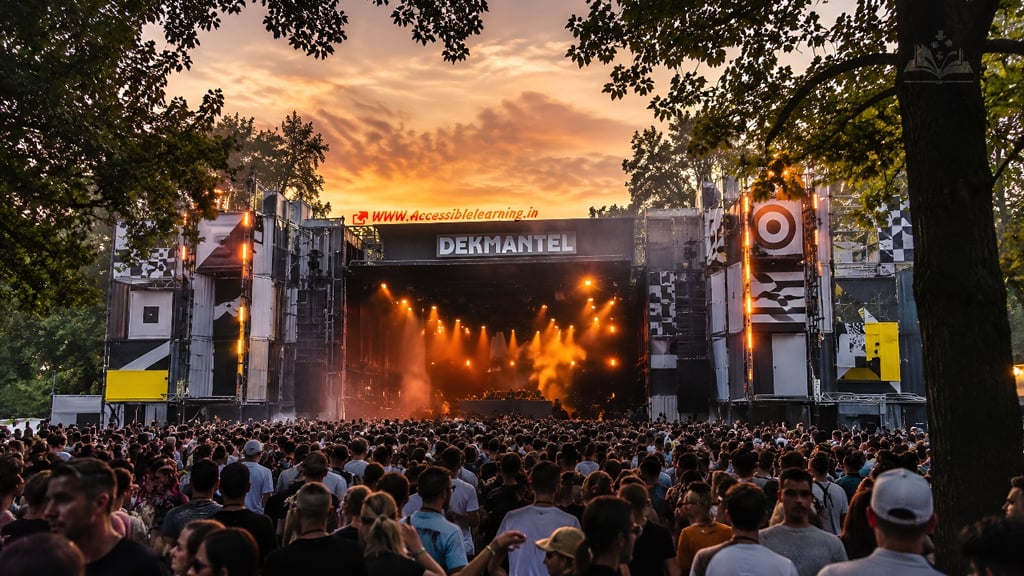
Every summer, tens of thousands of electronic music fans travel to Amsterdam not for fireworks, influencer stages, or radio-friendly DJs. They come for Dekmantel Festival, an event that built its reputation by doing the exact opposite. While much of the festival industry chased commercial EDM, Dekmantel doubled down on underground credibility, obsessive curation, and uncompromising sound quality.
That decision transformed a niche Dutch event into one of the world's most respected electronic music festivals.
What Is Dekmantel Festival?
Founded in 2013 by the team behind the independent Dutch music platform Dekmantel, the festival takes place primarily in Amsterdamse Bos, a massive urban forest on the southern edge of Amsterdam.
Unlike festivals built around celebrity headliners, Dekmantel sells an idea first.
That idea is simple:
Good music matters more than famous names.
Its lineup spans techno, house, electro, ambient, IDM, disco, experimental electronics, breakbeat, jungle, and genres that many mainstream festivals wouldn't even recognize.
Instead of asking, "Who's trending?"
Dekmantel asks, "Who's pushing electronic music forward?"
That philosophy separates it from nearly every major dance festival in Europe.
Why Dekmantel Became a Global Benchmark
Most festivals promise "unique experiences."
Dekmantel actually engineered one.
Several factors explain why artists, DJs, critics, and dedicated fans consistently rank it among the world's best.
Ruthless Musical Curation
Dekmantel rarely books artists simply because streaming numbers exploded.
Its programming often includes:
legendary pioneers
obscure vinyl collectors
underground live acts
experimental producers
genre-defining selectors
rising local talent
That balance creates lineups that feel carefully designed instead of commercially assembled.
Sound Systems Come First
Many festivals spend fortunes on LED screens. Dekmantel invests heavily in audio.
Every stage focuses on:
speaker placement
acoustic design
clean bass response
balanced frequencies
immersive listening
For electronic music fans, that difference matters far more than another oversized video wall.
Poor sound ruins great DJs.
Great sound elevates everyone.
Stage Design Without Visual Overload
You won't find giant cartoon decorations or endless pyrotechnics.
Stages blend naturally into forests, open fields, industrial spaces, and minimalist architecture.
The environment lets music remain the headline attraction.
That restraint feels increasingly rare in an era where festivals often resemble theme parks.
Amsterdam Gives Dekmantel an Advantage Few Festivals Can Match
Amsterdam already occupies legendary status within electronic music. Its nightlife, record stores, clubs, and independent labels helped shape modern dance culture for decades.
Dekmantel plugs directly into that ecosystem.
Visitors don't attend only a weekend festival.
They enter an entire city that lives and breathes electronic music.
Festival week often includes:
club nights
boat parties
label showcases
record fairs
after-hours events
artist talks
pop-up performances
The festival becomes part of Amsterdam rather than existing outside it.
The Crowd Isn't There to Show Off
Social media changed festival culture. Many events now attract audiences chasing photos more than performances. Dekmantel largely escaped that trap.
The crowd generally consists of:
dedicated crate diggers
producers
DJs
longtime techno fans
electronic music historians
serious listeners
curious newcomers
People still record videos.
But they usually spend more time dancing than filming.
That subtle difference changes the atmosphere completely.


The Hidden Logistics Nobody Talks About
Beautiful festival photos hide exhausting realities.
Dekmantel rewards preparation.
Ignoring logistics can ruin your weekend.
Expect Serious Walking
Amsterdamse Bos covers enormous ground.
Moving between stages takes time.
Comfortable footwear isn't optional.
Many first-time visitors underestimate the daily distance.
Weather Changes Fast
Dutch summers remain unpredictable.
One afternoon may bring sunshine.
The evening may deliver rain and cold winds.
Pack:
waterproof jacket
layers
sunscreen
reusable water bottle
portable charger
Preparation beats optimism.
Accommodation Disappears Early
Hotels across Amsterdam fill quickly.
Budget travelers often book months in advance.
Late reservations usually mean the following:
higher prices
longer commutes
fewer transportation options
Waiting rarely saves money.
Public Transport Helps, But Crowds Slow Everything
Amsterdam's transportation system performs well.
Festival crowds don't.
Leaving at peak hours often means packed trams, buses, metro stations, and long queues.
Patience becomes part of the experience.
Dekmantel's Real Cultural Impact
The festival influences electronic music far beyond one weekend.
It Revived Respect for DJs as Selectors
Streaming culture rewards predictable hits.
Dekmantel rewards adventurous programming.
Many performances feature unexpected tracks, forgotten classics, extended blends, and deep musical storytelling.
The DJ becomes a curator again instead of a human playlist.
It Gives Experimental Music a Real Audience
Commercial festivals often avoid artistic risk.
Dekmantel embraces it.
Ambient stages, experimental performances, modular synthesizer acts, and unconventional live sets attract surprisingly large audiences.
That support encourages innovation across electronic music.
It Elevated Independent Labels
Smaller labels receive exposure that algorithms rarely provide.
Festival appearances often lead listeners toward independent releases instead of mainstream playlists.
That ecosystem helps underground music survive.
The Business Reality Behind the Underground Image
Let's avoid romantic myths.
Dekmantel operates as a professional business.
Tickets sell out.
Merchandise generates revenue.
Food vendors earn money.
Sponsors exist.
Production costs continue rising every year.
The difference lies in priorities.
Many festivals design lineups around maximizing ticket sales.
Dekmantel appears to design ticket sales around musical quality.
That distinction explains much of its reputation.
Commercial success followed credibility instead of replacing it.
Common Criticism Deserves Attention
No respected festival avoids criticism.
Dekmantel faces recurring complaints.
Tickets Aren't Cheap
Premium production costs create premium pricing.
International visitors must also budget for:
flights
accommodation
food
transportation
The total expense climbs quickly.
Lineups Can Feel Intimidating
Newcomers may recognize very few names.
That's intentional.
Some visitors love discovering artists.
Others prefer familiar headliners.
Dekmantel caters more to discovery than comfort.
Amsterdam's Popularity Creates Pressure
Tourism strains housing, transportation, and local infrastructure.
Festival week amplifies that pressure.
Responsible visitors should respect neighborhoods rather than treating the city like one giant party zone.
Sustainability Requires More Than Marketing
Most festivals advertise environmental commitments. Dekmantel generally backs those claims with practical measures.
Efforts typically include:
reusable cup systems
improved waste separation
public transport promotion
bicycle accessibility
responsible resource management
No large festival operates without environmental impact.
The honest question asks whether organizers actively reduce it instead of simply advertising sustainability.

Why Artists Keep Returning
Many DJs describe Dekmantel as one of their favorite places to perform.
Several reasons explain that loyalty.
They trust:
attentive audiences
exceptional sound systems
thoughtful scheduling
technically skilled crews
artistic freedom
Musicians notice those details immediately.
Fans experience the results.
The Festival's Influence on Electronic Music Worldwide
Dekmantel helped shift industry expectations.
Other festivals increasingly emphasize:
stronger curation
better sound quality
genre diversity
immersive stage design
longer DJ sets
underground bookings
It proved audiences would support quality over spectacle.
That lesson reached promoters across Europe, North America, Asia, and Australia.
Its influence now extends well beyond Amsterdam.
Should You Attend Dekmantel Festival?
That depends on what you want.
If you expect giant EDM drops every five minutes, celebrity influencers, endless fireworks, and predictable chart music, look elsewhere.
If you value musical discovery, world-class sound, thoughtful programming, and an audience that actually listens, Dekmantel belongs near the top of your list.
It demands patience.
It demands curiosity.
It rewards both.
That trade-off explains why so many people return year after year.
Final Verdict
Dekmantel Festival didn't become one of the world's most respected electronic music events by chasing trends. It earned that status by resisting them.
Its greatest achievement isn't attracting thousands of visitors. It's proving that underground culture can scale globally without completely surrendering its identity.
In an industry flooded with copy-and-paste festivals, oversized stages, and algorithm-driven bookings, Dekmantel still treats electronic music as an art form instead of background entertainment.
That philosophy doesn't guarantee universal appeal.
It guarantees something far more valuable.
Authenticity.
FAQ's
Q: Is Dekmantel Festival suitable for first-time electronic music fans?
Yes. Beginners can enjoy the festival, but they should arrive with an open mind. The lineup emphasizes discovery over mainstream recognition.
Q: Where is Dekmantel Festival held?
The main festival takes place in Amsterdamse Bos, a large park on the outskirts of Amsterdam in the Netherlands, with additional events hosted at venues across the city during festival week.
Q: What music genres can you expect at Dekmantel?
Expect techno, house, electro, ambient, disco, IDM, jungle, breakbeat, experimental electronic music, and live audiovisual performances.
Q: Does Dekmantel focus on famous DJs?
Not necessarily. The festival prioritizes artistic quality, influential selectors, and innovative performers over mainstream popularity.
Q: How early should you book tickets and accommodation?
Book both several months in advance. Tickets often sell out, and Amsterdam hotel prices rise sharply during festival week.
Q: Is Dekmantel Festival worth the cost?
For serious electronic music fans, many consider it one of the best-value experiences because of its curated lineup, exceptional sound quality, and unique atmosphere. Casual festivalgoers looking for mainstream entertainment may find other festivals a better fit.
Subscribe To Our Newsletter
All © Copyright reserved by Accessible-Learning Hub
| Terms & Conditions
Knowledge is power. Learn with Us. 📚

