

China Expands Regional Diplomacy Amid Global Economic Shifts
A clear and timely overview of China’s major developments from the past week, covering economic shifts, diplomatic moves, regional tensions, national safety actions, climate leadership, and new industrial plans. This summary provides readers with essential updates without touching entertainment-related content.
CHINANEWS/CURRENT AFFAIRSNEPOTISM/SOCIAL ISSUES
---
12/1/20255 min read


China has entered another eventful week shaped by economic pressure, diplomatic outreach, public safety concerns and new long-term industrial goals. From fresh signals in international relations to deeper weaknesses at home, each update highlights how China is trying to balance internal challenges with its growing global responsibilities. This round-up brings together the most important events that shaped the country over the past week, offering a clear picture of where things stand and what may come next.
China’s Economy: Factories and Services Continue to Shrink
Recent data show that China’s manufacturing and services sectors are still under pressure. The official manufacturing Purchasing Managers’ Index (PMI) in November rose slightly to 49.2 from 49.0 in October but remained below the 50 threshold that marks expansion.
At the same time, the non-manufacturing PMI covering services and construction dropped to 49.5, marking the first contraction in nearly three years.
The weak numbers point to a deeper challenge: retail sales and property-market stress seem unable to compensate for shrinking industrial output.
For a country still striving for growth, these signals raise tough questions about whether to double down on structural reforms or to resort to stimulus to revive demand.
New Trade Signals: A Lull Between Beijing and Washington
This week saw another subtle shift in the economic dance between China and the United States. Donald Trump said that Xi Jinping had “more or less agreed” to accelerate and increase China’s purchases of U.S. goods during a recent call, a move that could ease some trade tensions.
In line with that, Beijing reportedly placed orders worth approximately $300 million for U.S. soybeans.
While it’s not a sweeping reversal of economic friction, this modest thaw may hint at cautious optimism building on both sides. For businesses exporters and importers, and global commodity markets, these deals are worth watching.
Cultural Backlash: Protests Over Cremation Policy in Guizhou
Not all unrest is about economics. In the southwestern province of Guizhou, people from the local ethnic community voiced strong discontent over a government directive encouraging cremation instead of burials, a policy rooted in land use and “frugal funeral” goals.
For many locals, burial is deeply tied to ancestral traditions and cultural identity. The push for cremation, seen as a disruption to those customs triggered protests and widespread opposition. Some videos circulating online show confrontations between protesters and authorities, along with slogans rejecting the policy.
The unrest signals something larger: when policies touch on heritage and identity, resistance can run deep, and state-led reforms must reckon with more than just economics or land use.
Space Program Alert: Emergency Mission to the Tiangong space station
In a dramatic pivot this week, China launched an emergency mission to its own orbital station. The unmanned Shenzhou-22 lifeboat blasted off on November 25, sending supplies, spare parts, and critical equipment to the Tiangong station.
The rush came after a suspected space-debris impact damaged the return capsule of the previous mission, leaving the current crew without a safe way home.
The rapid 16-day preparation and successful dock underscore China’s increasing responsiveness and maturity in space operations. It also highlights how seriously Beijing takes crew safety and continuity of its human spaceflight efforts.
The Shenzhou-22 will remain attached to Tiangong for months, acting as a guaranteed return vehicle, a reassurance that will matter a great deal for both astronauts and the larger trajectory of China’s space ambitions.
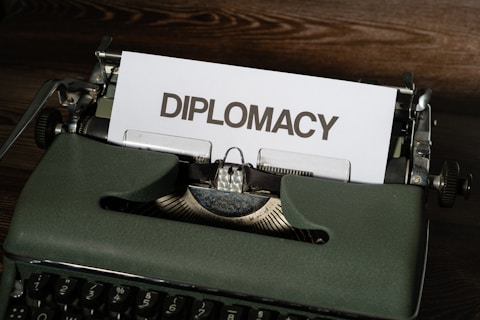

China ramps up diplomacy and regional influence
The secretary-general of the Boao Forum for Asia, Zhang Jun, stressed that regional cooperation is essential to counter rising protectionism worldwide. The argument: stronger economic and supply-chain cooperation among Asian and global partners can insulate countries from major disruptions while boosting stability.
Simultaneously, Beijing is quietly positioning to deepen ties with countries in Africa and the Global South. Officials reaffirmed long-term commitments to economic partnership, trade, and joint investment as part of a broader strategy to expand China’s global footprint beyond its immediate neighbors.
These moves reflect a broader pivot by China: stepping up as a global diplomatic player, especially in areas like clean energy, economic cooperation, and South–South collaboration.
Domestic Economy: Industrial slump deepens, services struggle
Official numbers show factory activity in China contracted for the eighth month in a row. The manufacturing index remains below the 50-point threshold that separates expansion from contraction.
The services sector isn’t faring better: non-manufacturing activity has fallen to its lowest in about three years, highlighting widespread demand weakness in the economy.
This ongoing downturn in both manufacturing and services underlines a broader challenge: even as China tries to stimulate consumption and domestic demand, structural headwinds weak consumer sentiment, excess capacity, and a slowing property market continue to weigh heavily.
China steps into climate leadership globally
With some major players, especially the U.S. under the recent administration pulling back from global climate commitments, China is filling the void. At COP30 United Nations Climate Change Conference, Chinese officials and clean-energy firms presented aggressive plans for green energy and clean technology, using the moment to push for stronger global cooperation on renewables and clean-tech supply chains.
This shift reinforces China’s ambition to position itself not only as a manufacturing powerhouse but also as a driving force in renewable energy and global environmental diplomacy.
Rising regional friction: China–Japan tensions intensify
In recent days, media closely tracked growing tension between China and Japan. The dispute centers on remarks by Japan’s leadership about intervening in a possible conflict over Taiwan comments, which Beijing has strongly condemned. As a result, China’s state-owned media and official sources are warning that regional militarization risks undermining stability.
This back-and-forth has led to cancelled flights between Chinese cities and Japan and might further strain economic and people-to-people ties, adding another layer of uncertainty in East Asia.
Safety crackdown after Hong Kong fire: Mainland steps in
Following a tragic high-rise building fire in Wang Fuk Court (Hong Kong) that caused major loss of life, mainland Chinese authorities announced coordinated disaster response efforts and initiated a campaign to inspect and rectify fire hazards in high-rise buildings.
The move underscores Beijing’s intent to respond swiftly to major disasters and ensure tighter safety standards across housing infrastructure, a sensitive issue for urban development and public trust.
Industrial planning: China to build hundreds of new “innovation” bases by 2035
As part of a long-term strategy, China’s top industrial body announced plans to establish around 100 national-level industrial-park demonstration bases and an additional 1,000 enterprise-level bases by 2035. These will host sectors like advanced materials, biotechnology, next-gen IT, aerospace, environmental tech and intelligent vehicles.
This isn’t just about manufacturing; it’s a push to upgrade China’s economic model toward higher-tech, higher-value industries. If successful, it could significantly reshape China’s industrial landscape and global competitiveness in emerging sectors.
The past week shows China navigating a complex mix of challenges and opportunities. Its economy continues to struggle, yet the country is pushing ahead with ambitious plans to strengthen innovation and modernize industry. Diplomatically, China is widening its presence, engaging more deeply with regional and global partners, while simultaneously facing heightened tensions in East Asia. Safety reforms and climate participation further underline Beijing’s effort to project both responsibility and leadership. These developments together illustrate a nation trying to stabilize at home while extending its influence abroad, shaping both its domestic future and the wider international landscape.
Subscribe to Frontier Intelligence
All © Copyright reserved by Accessible-Learning Hub
| Terms & Conditions
Accessible Learning Hub — Actionable clarity for high-agency minds.
Weekly breakdowns on AI breakthroughs, capital flow, and human performance systems. Zero fluff.