

Berlinale (Berlin Film Festival): The In-Depth Guide to the World’s Most Public, Political, and Powerful Film Festival
Berlinale (Berlin International Film Festival) is more than a glamorous red carpet event; it’s one of the world’s most influential film festivals, known for powerful political cinema, public screenings, and global industry impact through the European Film Market (EFM). In this in-depth guide, explore Berlinale’s history, awards, sections, hidden industry side, and why it remains essential in modern cinema culture.
EVENT/SPECIALSTORY/ENTERTAINMENTEUROPEAN UNIONTRAVEL LIFE
Kim Shin
2/1/20267 min read

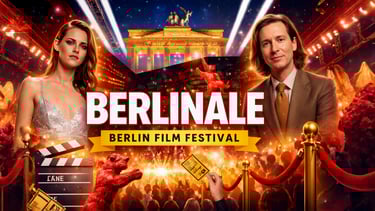
When the world talks about elite cinema festivals, the same names come up again and again: Cannes, Venice, and Toronto. But among filmmakers and critics who actually live in festivals, there’s one event that feels less like a luxury showcase and more like a living cultural force:
Berlinale is the Berlin International Film Festival.
The Berlinale (Berlin Film Festival) is not just about red carpets or celebrity flashes. It’s a festival with a specific personality: public-facing, politically aware, and artistically daring. It’s the rare global festival where people don’t just “attend” cinema; they engage with it.
And that’s why Berlinale remains one of the most important film festivals on the planet.
What is Berlinale?
The Berlin International Film Festival, popularly known as Berlinale, is a major annual film festival held in Berlin, Germany—typically every February. It is considered one of the “Big Three” alongside:
Cannes Film Festival
Venice Film Festival
But Berlinale is its own ecosystem. Its influence is not limited to awards. The event is tied deeply to:
European cinema identity
social and political discourse
film distribution and rights deals
upcoming director discovery
In short: Berlinale is where cinema meets the world, not where cinema escapes it.
Berlinale’s Origins: A Festival Built in a Divided City
Berlinale began in 1951, and its origin story is almost more dramatic than the films it screens.
Berlin after World War II was a city rebuilding itself physically and ideologically. It was also the symbolic frontline of the Cold War, a divided city where culture itself became a statement. From the start, Berlinale wasn’t just established to entertain. It was created to position Berlin as:
modern
artistically free
internationally connected
culturally resilient
This is important because it explains why Berlinale never became a purely glamorous festival. Its identity is rooted in culture as communication and cinema as civic voice. That “historical pressure” still lives inside the festival’s programming even today.
Why Berlinale Feels Different from Cannes and Venice
Berlinale is built for audiences
Cannes often feels like a gated world: badges, access control, and elite screenings. Berlinale is more democratic. People in Berlin attend screenings like they’re attending theatre or concerts. The festival is famous for packed public screenings, intense audience reactions, and real conversations happening outside cinemas.
This audience energy changes the entire atmosphere:
films are judged emotionally, not just professionally
laughter, silence, discomfort everything is felt collectively
cinema becomes a shared experience again
Berlinale’s “political cinema” identity is real
Berlinale is famous for highlighting films about:
migration and refugees
war zones and post-war trauma
censorship and freedom of speech
gender politics and identity
surveillance, state power, economic inequality
For some, that makes it the most meaningful top-tier festival. For others, it can feel heavy. But whether you love or criticize it, Berlinale never pretends cinema is separate from reality.
Berlin itself shapes the festival
Berlin is not a polished postcard city. It’s:
creative
intellectual
rough around the edges
multicultural
historically loaded
Berlinale reflects that vibe. It’s not “luxury cinema.” It’s city cinema.


The Berlinale Awards: The Bears of Berlin
Berlin’s symbol is the bear, and Berlinale turns that into its award identity.
Golden Bear (Goldener Bär)
The top award is given to the best film in the main competition.
Silver Bears
Awarded for:
Grand Jury Prize
Best Director
Best Screenplay
Outstanding Artistic Contribution
Acting awards (as structured in recent years)
What makes the Golden Bear powerful
It doesn’t always go to the “most beautiful” or “most commercial” film. Very often, Golden Bear winners are films that challenge society, redefine cinema language, or spotlight suppressed perspectives.
Winning Berlin is like getting the world’s attention with credibility.
Inside Berlinale: The Festival is Not One Event It’s Many Worlds
Most people think Berlinale is just the Competition lineup. In reality, it’s more like a cinema universe with multiple “planets.”
Competition (Main Selection)
This is where the world looks first. These films are usually:
world premieres or European premieres
politically and socially sharp
authored by major directors or highly respected voices
Competition films often become:
award-season contenders
distribution priorities
cultural conversation starters
Panorama: Berlin’s Bold Heart
Panorama is one of Berlinale’s most influential sections because it often introduces the cinema that feels most current. Expect:
modern themes
youth culture
LGBTQ+ narratives and bold gender perspectives
urgent documentaries
indie films with strong identity
Many filmmakers who later enter the competition first build their reputation through Panorama.
Forum: Cinema for Thinkers (and Risk-Takers)
Forum is experimental and intellectually demanding. This is where you’ll see:
slow cinema
essay films
hybrid documentary-fiction
structural experimentation
This is not “easy viewing.” But it’s where Berlinale proves it doesn’t just reward cinema; it protects cinema as an evolving art form.
Generation: The Most Emotional Section
Generation focuses on children and youth films, but it’s often where audiences experience the most honest storytelling. Generation films can be:
emotionally deep
socially aware
visually fresh
surprisingly mature
It’s a section that reminds you cinema isn’t only for adults but also that young audiences deserve serious storytelling too.
Berlinale Specials & Galas
This section includes:
major international premieres
tributes to great filmmakers and actors
culturally significant event films
Specials help Berlinale stay visible globally, especially when Hollywood titles are involved.
Retrospective: Berlinale as a Film School
The Retrospective is one of Berlinale’s most valuable parts because it connects the past to the present.
It screens:
restored classics
thematically grouped cinematic eras
overlooked masterpieces
foundational European cinema
For serious filmmakers, this section is like a live masterclass.
How Berlinale Selects Films: What Actually Gets In?
Film selection isn’t just about quality; it’s about strategy. Berlinale curators often look for:
cinema that speaks to the world right now
directors who bring a distinct voice
new perspectives from underrepresented regions
films that trigger conversation (not only applause)
A lesser-known truth
Sometimes Berlinale selects films not because they’re guaranteed to win awards, but because they:
represent cultural urgency
spotlight a suppressed story
fit the festival’s ideological identity
balance global representation
That’s why Berlinale’s lineup often feels more “global” than other festivals.
Berlinale’s Jury Culture: How Winners Are Chosen
The Berlinale Jury is different from public opinion, and that’s where things become interesting. Jury members often include:
directors
actors
writers
critics
producers
Because of its political identity, Berlinale juries often award films that:
carry moral weight
feel culturally important
represent bold artistic choices
In Berlinale’s world, “beautiful cinema” is appreciated but “necessary cinema” often wins.
European Film Market (EFM): Where Cinema Becomes a Global Product
Now here’s the part most casual viewers don’t see. Alongside Berlinale runs the European Film Market (EFM), one of the world’s most important film markets.
This is where deals happen:
distribution rights (country-wise)
streaming platform acquisitions
international co-productions
festival-to-theatre planning
packaging of future films
In simple words:
Berlinale screens films, but EFM decides their global fate.
Many films become worldwide hits not because they win awards, but because they:
secure strong distribution in EFM
get picked up by major streaming platforms
gain international release strategy
EFM is the business engine behind the artistic celebration.
Berlinale Talents: The Hidden Career Accelerator
One of Berlinale’s most valuable contributions to cinema is Berlinale Talents. It’s a development program designed to support emerging creators in:
directing
writing
producing
cinematography
editing
sound and design
Participants attend:
workshops
talks with world-class artists
industry sessions
networking opportunities
Why it matters:
Many future Oscar-winning and festival-winning filmmakers begin their international journey here. Berlinale Talents is one of the strongest “career launchpads” in world cinema.

Berlinale Venues: Why the Festival Feels Like Berlin Itself
Berlinale’s venues are spread across the city — and this is intentional.
It creates a feeling that:
cinema belongs to Berlin
the city itself is part of the festival
film culture is not separate from everyday life
The Berlinale Palast is the iconic main hub — but the citywide screening network is what makes the festival feel alive.
Berlinale and Controversy: A Festival That Doesn’t Avoid Fire
Berlinale has never been afraid of controversy. Over the decades it has been shaped by:
public protests
boycott debates
geopolitical tensions
censorship issues
cultural representation conflicts
But this is exactly why Berlinale stays relevant.
It refuses to become a “pretty celebration.”
It chooses to remain a living debate.
Berlinale in the Streaming Era: Why It Still Matters
Today, films release globally on streaming platforms within days. So why do festivals like Berlinale still matter? Because festivals offer things algorithms never can.
Berlinale gives films cultural context
Streaming shows content as a product. Berlinale shows cinema as:
art
culture
politics
memory
identity
Berlinale generates real conversation
A film that appears on Netflix might trend for 24 hours. A film that premieres at Berlinale can create:
long-term critical discussion
university debates
global press attention
long distribution life
The Deeper Truth: Berlinale Is Cinema With Responsibility
Cannes is cinema as glamour.
Venice is cinema as tradition.
Toronto is cinema as a launchpad.
But Berlinale?
Berlinale is cinema with responsibility.
It doesn’t only ask:
“Is this film good?”
It asks:
“Does this film matter?”
And that is what makes Berlinale one of the most important cultural events in the world not just a film festival.
FAQ's
Q: What is Berlinale?
Berlinale is the Berlin International Film Festival, one of the world’s most prestigious annual film festivals, held in Berlin, Germany, usually in February. It is known for its strong focus on political, social, and artistic cinema.
Q: Why is Berlinale famous?
Berlinale is famous for:
being part of the world’s “Big Three” film festivals
awarding the Golden Bear
showcasing socially and politically relevant cinema
being one of the largest audience-attended film festivals globally
Q: When does Berlinale take place?
The Berlinale typically takes place in February every year, turning Berlin into a citywide cinema festival.
Q: What is the Golden Bear at Berlinale?
The Golden Bear (Goldener Bär) is Berlinale’s highest award, given to the best film in the festival’s main Competition section.
Q: Can normal people attend Berlinale?
Yes. One of Berlinale’s best features is that it’s public-friendly. Many screenings offer tickets for regular audiences, not only film industry professionals.
Q: What is the European Film Market (EFM)?
The European Film Market (EFM) is a major film business marketplace held alongside Berlinale. It’s where:
film rights are bought and sold
distributors and streamers acquire films
production and co-production deals happen
Q: How is Berlinale different from Cannes?
Cannes is more industry-exclusive and glamour-focused, while Berlinale is more:
audience-accessible
socially & politically focused
oriented toward serious cinema and global issues
Q: What type of films are shown at Berlinale?
Berlinale screens a wide range of films, including:
international dramas
documentaries
experimental films
political cinema
youth and coming-of-age films
world premieres and independent cinema
Subscribe To Our Newsletter
All © Copyright reserved by Accessible-Learning Hub
| Terms & Conditions
Knowledge is power. Learn with Us. 📚

