

Bali Arts Festival, Denpasar: The Truth Behind Bali's Biggest Cultural Celebration
Discover the real story behind the Bali Arts Festival in Denpasar. Explore its traditions, performances, hidden logistics, travel tips, and cultural impact beyond the tourist hype.
CULTURE/TRADITIONEVENT/SPECIALBRAZILCELEBRATION/FESTIVALS
Helena | Kim Shin
7/3/20264 min read
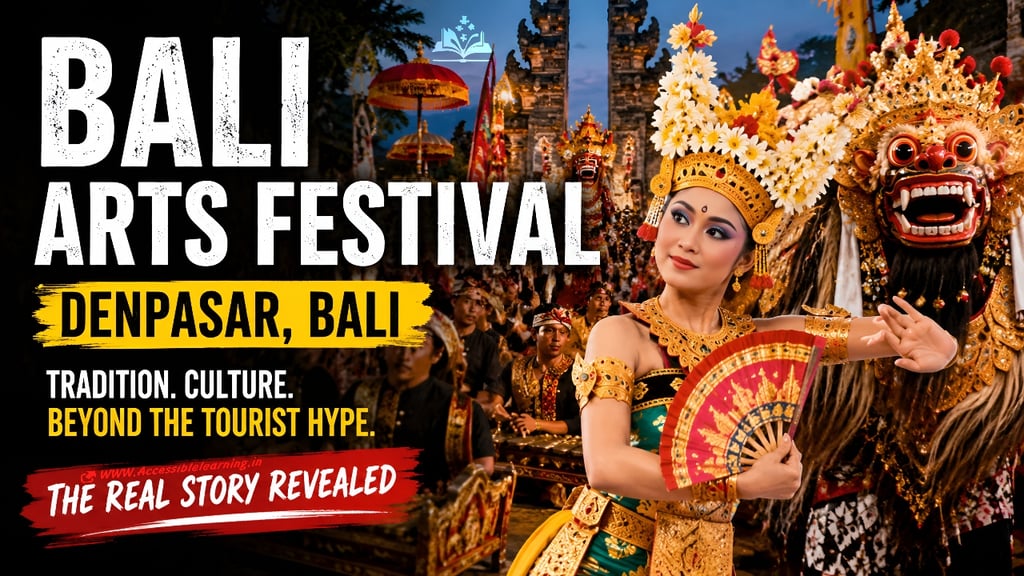
Forget the beaches. The Bali Arts Festival exists because Bali refuses to let its artistic identity disappear beneath waves of tourism. Every year, Denpasar transforms into the island's cultural capital for an entire month, bringing together dancers, musicians, painters, sculptors, storytellers, and artisans from every regency.
That sounds inspiring. It also raises an uncomfortable question. How much of what visitors see represents living Balinese culture, and how much exists because millions of tourists expect to see an exotic version of Bali?
The answer sits somewhere between preservation and performance.
Bali Doesn't Need This Festival. Its Culture Does.
The Bali Arts Festival began in 1979 with a straightforward mission: protect Balinese traditions before modernization erased them. That mission still matters.
Young generations spend more time online than in village rehearsal halls. International visitors flood beaches instead of temples. Commercial entertainment often earns more money than traditional performance.
The festival pushes back against that trend.
For nearly a month, thousands of performers represent every region of Bali through dance, music, crafts, literature, theatre, and ceremonial traditions. Schools, community groups, and master artists share stages instead of competing for nightclub audiences.
Unlike many international festivals, this event doesn't import culture.
It showcases the culture already living across the island.
Denpasar Becomes Bali's Cultural Headquarters
The festival centers around the Taman Werdhi Budaya Art Centre in Denpasar, a sprawling cultural complex designed specifically for traditional performances and exhibitions.
Every day offers something different.
Massive opening parades fill the streets with elaborate costumes and giant ceremonial displays. Traditional gamelan orchestras compete with thunderous precision. Classical Legong dances appear alongside contemporary interpretations. Art exhibitions showcase generations of Balinese painters and sculptors.
The schedule barely slows down. Morning workshops become afternoon exhibitions before evolving into evening performances that continue well after sunset. Visitors expecting a single evening show quickly discover they've underestimated the scale.
The Opening Parade Deserves the Headlines
Nothing captures attention like the festival's opening procession. Thousands of performers march through Denpasar wearing handcrafted costumes representing Bali's diverse artistic traditions.
Massive ceremonial sculptures tower over musicians.
Dance groups move in perfect synchronization.
Traditional percussion echoes through packed streets.
Local communities spend months preparing for this single day.
For photographers, journalists, and first-time visitors, the parade delivers one of Indonesia's most visually overwhelming cultural experiences.
It also creates enormous crowds. Anyone arriving late should expect limited viewing opportunities and heavy traffic across central Denpasar.
Authenticity Isn't the Same as Purity
Tourists love the word "authentic." Reality feels messier.
Many performances originate from genuine religious traditions, village ceremonies, and centuries-old artistic practices.
Others adapt themselves for larger audiences.
Stage lighting replaces temple firelight.
Performance lengths shrink.
Explanations become multilingual.
Modern sound systems amplify music that once played only within village communities.
Purists criticize those compromises.
Practical thinkers understand them.
Without adaptation, many international visitors would never experience these traditions at all.
The festival doesn't freeze Balinese culture inside a museum.
It allows tradition to survive while speaking to a modern audience.
The Economics Behind the Celebration
Culture alone doesn't fund an event this large.
Government agencies, local businesses, tourism organizations, artists, vendors, and hospitality operators all depend on the festival's success.
Hotels fill faster.
Restaurants stay busy.
Transportation services see increased demand.
Craft markets attract buyers looking for genuine Balinese products instead of imported souvenirs.
For many artisans, this month generates income that supports workshops throughout the year.
That financial reality matters.
Artists cannot preserve culture if they cannot earn a living from it.


What Visitors Rarely Prepare For
Most travel blogs promise magical performances beneath tropical skies. They rarely mention the logistics.
The festival covers an enormous program spread across weeks. Temperatures remain hot and humid.
Afternoon rain can appear without warning. Parking becomes difficult during major performances.
Opening ceremonies attract massive crowds. Popular evening shows often require arriving well before curtain time.
Comfortable footwear quickly becomes more valuable than fashionable outfits. Visitors who pace themselves enjoy far more than those trying to see everything in two days.
Food Becomes Part of the Performance
The festival doesn't stop at music and dance. Food vendors represent regional Balinese cooking alongside Indonesian specialties.
Traditional sweets, grilled seafood, satay, spicy rice dishes, fresh tropical fruit, and local drinks create another layer of cultural storytelling.
Eating here supports local businesses while offering something far more meaningful than hotel buffet food.
The culinary experience reinforces what the festival celebrates.
Culture lives through everyday traditions, not only staged performances.
Why the Festival Still Matters in Modern Bali
Critics sometimes dismiss cultural festivals as government-funded spectacles. That criticism misses the bigger picture.
Bali faces enormous pressure from rapid tourism development, international investment, changing lifestyles, and social media trends.
Without deliberate preservation, many traditional art forms could slowly disappear. The Bali Arts Festival creates visibility. Visibility creates interest.
Interest encourages younger generations to learn traditional music, dance, carving, painting, and storytelling.
That cycle keeps artistic knowledge alive.
No festival solves every cultural challenge.
Ignoring those challenges solves nothing.
A Practical Travel Guide Before You Go
Timing shapes the entire experience. The festival usually runs from mid-June through mid-July, making it one of Bali's largest annual cultural events.
Plan to spend at least two or three days if you want more than the headline attractions. The opening parade attracts the largest crowds, while weekday performances often provide a more relaxed atmosphere.
Stay in Denpasar if culture is your priority. Beach destinations like Kuta, Seminyak, and Sanur remain accessible, but daily traffic can consume valuable time during peak festival dates.
Wear lightweight clothing, carry water, expect tropical humidity, and keep cash available for food stalls, local crafts, and smaller vendors who may not accept cards.
Respect local customs whenever performances involve ceremonial or religious elements. Photography usually remains welcome, but common courtesy matters more than getting the perfect social media post.
The Bali Arts Festival succeeds because it refuses to become just another tourist attraction.
Yes, performances adapt for modern audiences.
Yes, tourism benefits financially.
Yes, commercialization exists around the edges.
But underneath the staging sits something remarkably genuine. Entire communities continue investing time, discipline, and artistic skill into traditions that have survived for generations.
That commitment deserves attention.
Visitors looking only for entertainment will leave impressed.
Visitors willing to understand Bali beyond beaches and resorts will leave with something far more valuable: a deeper appreciation for one of Southeast Asia's strongest living cultural identities.
Subscribe To Our Newsletter
All © Copyright reserved by Accessible-Learning Hub
| Terms & Conditions
Knowledge is power. Learn with Us. 📚

