

Ash Wednesday Meaning: History, Traditions, and Why Christians Wear Ashes
Ash Wednesday marks the beginning of Lent, a 40-day season of reflection, repentance, and spiritual renewal in Christianity. In this in-depth guide, explore the meaning of ashes, the history of the day, fasting traditions, and how Ash Wednesday is observed around the world—along with its modern relevance for believers today.
CULTURE/TRADITIONEVENT/SPECIALCELEBRATION/FESTIVALS
Kim Shin
2/10/20266 min read
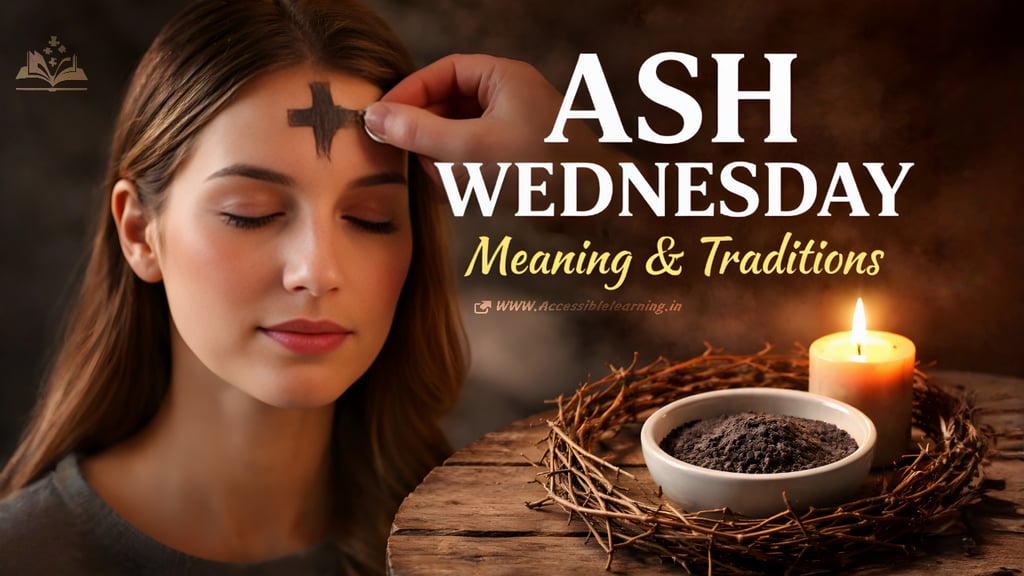
Ash Wednesday is one of the most significant days in the Christian calendar. It marks the beginning of Lent, a 40-day season of reflection, repentance, fasting, and spiritual preparation leading up to Easter. Recognized by the symbolic use of ashes on the forehead, Ash Wednesday is both deeply personal and widely communal, reminding believers of human mortality and the need for inner renewal.
In this in-depth guide, you’ll learn what Ash Wednesday means, where it came from, why ashes are used, how it is observed today, and how different Christian traditions celebrate it.
What Is Ash Wednesday?
Ash Wednesday is the first day of Lent and occurs 46 days before Easter Sunday (40 fasting days, excluding Sundays). It is a solemn day that encourages believers to:
Repent and turn away from sin
Reflect on the fragility of life
Begin spiritual disciplines like fasting, prayer, and charity
Prepare the heart for Easter and the resurrection message
Unlike holiday-style celebrations, Ash Wednesday is quiet, introspective, and meaningful.
Why Is It Called “Ash Wednesday”?
The name comes directly from the central ritual of the day: placing ashes on the forehead (or head) in the form of a cross or by sprinkling.
Ashes symbolize:
Mortality (“life is temporary”)
Repentance (a sign of sorrow and change)
Humility (recognizing human limits)
The ashes are usually made by burning palms from the previous year’s Palm Sunday.
The Spiritual Meaning of Ashes
Ashes carry rich symbolism across the Bible and Christian tradition. In ancient times, ashes were used as a visible sign of grief, repentance, and humility.
Key meanings behind the ashes
“You are dust”: a reminder that human life is temporary
A call to change: repentance is not guilt; it’s transformation
A new beginning: Lent starts a journey back to God
When a priest or minister applies ashes, they typically say one of these phrases:
“Remember that you are dust, and to dust you shall return.”
“Repent and believe in the Gospel.”
These words make Ash Wednesday not just a tradition but a moment of spiritual truth.
When Is Ash Wednesday Celebrated?
Ash Wednesday’s date changes every year because it depends on Easter, which is calculated based on the lunar calendar. It always falls:
between early February and early March
on the Wednesday after Shrove Tuesday / Mardi Gras
This placement creates a spiritual contrast: after feasting and celebration comes a season of restraint, reflection, and renewal.
The History and Origins of Ash Wednesday
Ash Wednesday has roots in early Christian practices.
Early Church beginnings
In the first centuries of Christianity:
people who committed serious sins often did public repentance
they wore sackcloth and ashes to show humility
the Church used ashes as a sign of turning back toward God
Becoming an official tradition
By the Middle Ages, the Ash Wednesday ritual had become widespread in Western Christianity and officially marked the beginning of Lent. Today, it’s observed in:
Roman Catholic Church
Anglican/Episcopal churches
Lutheran churches
Methodist and other Protestant traditions (in varying degrees)
Eastern Orthodox Christians do not traditionally observe Ash Wednesday; they begin Lent differently (often on “Clean Monday”).


Ash Wednesday in the Bible: Is It Scriptural?
The specific day “Ash Wednesday” is not named in the Bible, but the practices behind it are strongly Biblical.
Biblical connections
Ashes as repentance: People used ashes as a sign of sorrow and returning to God (examples appear in Job, Daniel, Jonah, and Esther).
Fasting and humility: The Bible often links fasting to prayer and repentance.
“Dust to dust” theme: This is rooted in Genesis, emphasizing human mortality.
So, while Ash Wednesday is a Church tradition, its symbolism and purpose are consistent with biblical spiritual values.
How Ash Wednesday Is Observed Today
Ash Wednesday is often marked by church services and personal spiritual commitments.
Common Ash Wednesday practices
attending a church service or mass
receiving ashes on the forehead
fasting or eating smaller meals
abstaining from certain foods (especially meat)
prayer, confession, and personal reflection
planning Lent commitments (spiritual goals)
For many people, Ash Wednesday is the most attended church day after Christmas and Easter.
Fasting Rules and Dietary Traditions
Fasting is one of the best-known aspects of Ash Wednesday, especially in Catholic practice.
Typical Catholic fasting guidance (general)
fasting (one full meal + two smaller meals)
abstinence from meat
observed on Ash Wednesday and Good Friday
Rules may vary by region and personal situation (age, health, etc.), and people are encouraged to follow guidance from their local church.
Protestants and fasting
Many Protestant denominations observe fasting less formally but encourage:
giving up luxuries
reducing entertainment or distractions
choosing acts of service
focusing on prayer and Scripture
What Do People “Give Up” for Lent?
A popular modern practice is to “give something up” for Lent. But Lent is not only about self-denial; it’s about spiritual growth.
Common examples of Lent sacrifices
sweets, sugar, junk food
social media or screen time
smoking or alcohol
fast food or unnecessary spending
Meaningful Lent commitments (better than just quitting something)
forgiving someone
volunteering weekly
reading the Bible daily
daily prayer routine
donating regularly
reconnecting with family and community
The point is not punishment. It’s alignment: removing what distracts you so you can make space for what truly matters.
Ash Wednesday Traditions Around the World
Ash Wednesday may feel similar globally, but cultural variations make it unique everywhere.
Philippines
huge church attendance
ashes ritual deeply rooted in public faith
strong Lent devotion and community prayer
Latin America
important day in Catholic culture
public processions and prayers often begin during Lent
emphasis on penance and family church life
Europe
observed with solemn church services
in some places, traditional meals and quiet reflection are common
United States / Canada
many churches offer “ashes to go” (ashes offered outside churches)
more people attend even if they don’t attend weekly services
widely discussed as a spiritual reset day
The Deeper Message: Mortality and Hope
The Ash Wednesday cross can look like a mark of sadness, but it also carries hope. It speaks two truths at once:
Life is temporary
Grace is always available
Ash Wednesday reminds people:
to live intentionally
to repair broken relationships
to return to faith and purpose
to prepare for Easter’s message of renewal and resurrection
In a world that moves too fast, Ash Wednesday forces a pause, a reset, and a moment of honesty.
Ash Wednesday for Modern Life: Why It Still Matters
Even beyond religious practice, Ash Wednesday carries universal lessons:
We are not invincible
We should reflect more and consume less
We need quiet time and spiritual discipline
We grow when we simplify and return to essentials
In this sense, Ash Wednesday has become relevant even in the modern wellness and mindfulness era. It offers a faith-based pathway toward self-awareness and transformation.

Ash Wednesday is more than ashes and rituals. It is a spiritual checkpoint. A day that quietly asks, "Where am I going?" What needs to change? What truly matters?
By beginning Lent with humility and reflection, Ash Wednesday invites believers to step away from distractions and step toward renewal. Whether observed through fasting, prayer, charity, or repentance, its message remains timeless:
Life is short, the soul is valuable, and transformation is always possible.
FAQ's
Q: Why do Christians put ashes on their foreheads on Ash Wednesday?
Ashes are a symbol of repentance, humility, and human mortality. The Ash Cross reminds believers that life is temporary and that Lent is a time to return to God with a sincere heart.
Q: What are the ashes made from?
In most churches, the ashes are made by burning palm branches from the previous year’s Palm Sunday. This connects two major events: Jesus’ entry into Jerusalem and the start of Lent.
Q: Is Ash Wednesday only for Catholics?
No. Ash Wednesday is mainly observed by Catholics, but it is also practiced by many Anglicans/Episcopalians, Lutherans, Methodists, and some other Christian groups.
Q: Does the Bible mention Ash Wednesday?
The Bible does not mention “Ash Wednesday” by name, but it often talks about:
ashes as a sign of repentance
fasting and prayer
turning back to God with humility
So, the tradition is based on biblical ideas even if the day itself is Church tradition.
Q: Why does Lent have 40 days, but Ash Wednesday is 46 days before Easter?
Because Lent counts 40 fasting days, but Sundays are not included (Sundays are treated as celebration days). That’s why the Lent season begins 46 days before Easter.
Q: Can anyone receive ashes on Ash Wednesday?
Yes. In many churches, anyone can receive ashes, even visitors or non-members. It is seen as an open invitation to reflection and spiritual renewal.
Q: What if I wash off the ashes early, is it considered disrespectful?
Not at all. Ashes are symbolic, not a rule. If they fade naturally or you wash them off due to work or daily routine, it does not reduce the meaning of the day.
Q: What do people usually give up for Lent after Ash Wednesday?
Common sacrifices include:
sweets, junk food, soda
social media
smoking/alcohol
shopping or entertainment
But many people also choose meaningful actions like charity, prayer, Bible reading, and kindness.
Subscribe To Our Newsletter
All © Copyright reserved by Accessible-Learning Hub
| Terms & Conditions
Knowledge is power. Learn with Us. 📚

