

April Fool’s Day: History, Traditions, Famous Pranks, and How the World Celebrates
April Fool’s Day, celebrated every year on April 1, is a global tradition known for playful pranks, humorous hoaxes, and creative jokes. The day has a fascinating history that dates back centuries and has evolved into a cultural event enjoyed by millions worldwide. From classic practical jokes among friends to large-scale media pranks by major companies, April Fool’s Day continues to bring laughter and creativity to people across different cultures. This article explores the origins, traditions, famous hoaxes, and interesting facts about April Fool’s Day, helping readers understand why this lighthearted celebration remains popular around the world.
CULTURE/TRADITIONEVENT/SPECIALCELEBRATION/FESTIVALSEUROPEAN UNIONUSA
Kim Shin
3/21/20267 min read
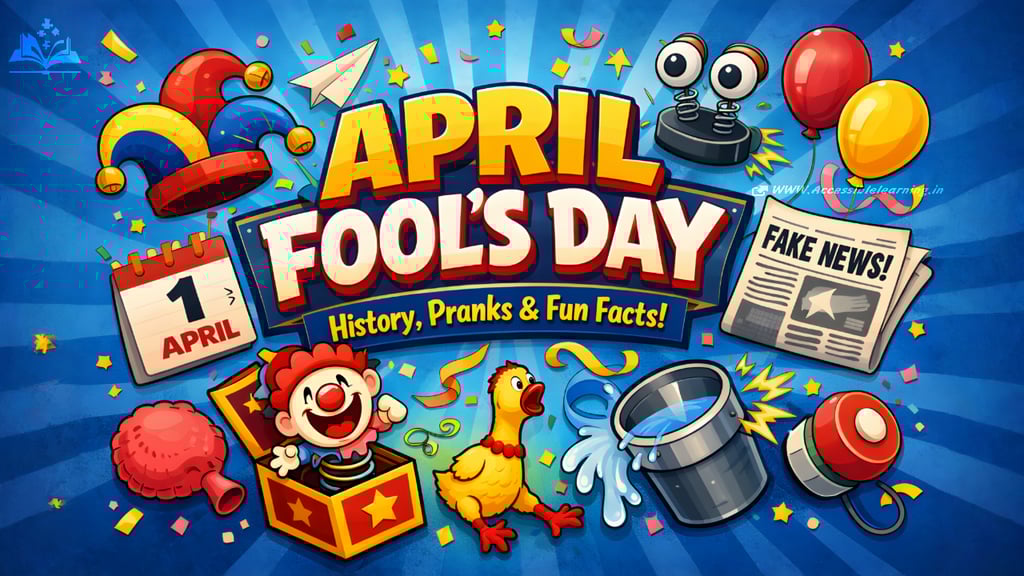
Every year on April 1, people across the globe take part in one of the most playful traditions of the calendar: April Fool’s Day. It’s a day when jokes, harmless pranks, and surprising tricks are not only accepted but expected. From friends and family pulling small tricks on each other to global companies launching elaborate hoaxes, the day has evolved into a cultural phenomenon celebrated in many countries.
But April Fool’s Day is more than just a day of pranks. It has a fascinating history, cultural variations, and even some famous hoaxes that fooled millions of people. Understanding the background of the day helps explain why this lighthearted tradition has lasted for centuries.
What Is April Fool’s Day?
April Fool’s Day is an informal holiday celebrated on April 1, dedicated to playing practical jokes, spreading humorous hoaxes, and surprising people with harmless tricks. After the prank is revealed, the person who was fooled is often called an “April Fool.”
The tradition encourages creativity and humor. Pranks can range from simple jokes among friends to large-scale media hoaxes that attract worldwide attention.
Despite being widely celebrated, April Fool’s Day is not an official public holiday in most countries. Workplaces, schools, and businesses operate as usual, though many people expect a bit of playful mischief during the day.
The Origins of April Fool’s Day
The exact origin of April Fool’s Day remains unclear, but historians believe the tradition dates back several centuries.
Calendar Change Theory (Most Popular)
One widely accepted explanation links the tradition to the calendar reform in France during the 16th century.
In 1582, France adopted the Gregorian calendar, introduced by Pope Gregory XIII. Before this change, many regions celebrated the New Year around the end of March and the beginning of April.
When the calendar shifted and New Year’s Day moved to January 1, some people continued celebrating the old New Year date in early April. Others mocked them by playing jokes and calling them “April fools.”
Over time, the tradition evolved into a day dedicated to pranks.
Ancient Festivals and Celebrations
Some scholars believe April Fool’s Day may have been influenced by ancient festivals known for humor and role reversal. Examples include:
Hilaria (Ancient Rome): A spring festival where people disguised themselves and mocked others.
Holi (India): A colorful festival celebrated with playful mischief and joy.
Feast of Fools (Medieval Europe): A celebration where social roles were temporarily reversed.
These traditions show that humor and playful deception have long been part of human celebrations.
Why April 1 Became the Day for Pranks
April falls during the early spring season, a time historically associated with unpredictability. The weather can change suddenly, and nature itself can seem full of surprises. Many historians believe this symbolic unpredictability made April 1 a natural day for jokes and playful tricks. By the 18th century, the tradition had spread throughout Britain and Scotland, eventually reaching other parts of the world.
How April Fool’s Day Is Celebrated Around the World
Although the spirit of the day remains the same, different countries celebrate it in unique ways.
France
In France, April Fool’s Day is called “Poisson d’Avril” (April Fish). Children often tape a paper fish to someone’s back without them noticing. When the prank is discovered, the prankster shouts “Poisson d’Avril!”
Scotland
Scotland historically celebrated the day as “Hunt the Gowk Day.”
“Gowk” is a word for a cuckoo bird, symbolizing foolishness. The celebration sometimes lasted two days.
United Kingdom
The UK follows a traditional rule: pranks should only be played before noon. Anyone attempting a prank after midday is considered the fool.
United States
In the United States, the day has evolved into a major cultural event. Media outlets, brands, and tech companies often release elaborate fake announcements or humorous hoaxes.
India
In India, April Fool’s Day is widely recognized among friends, students, and families. People play lighthearted tricks, share jokes, or send humorous messages throughout the day.


Famous April Fool’s Day Hoaxes in History
Some April Fool’s pranks have become legendary because they fooled large audiences.
The Spaghetti Tree Hoax (1957)
The British broadcaster BBC aired a fake news report showing Swiss farmers harvesting spaghetti from trees.
Many viewers believed the story and even contacted the broadcaster asking how they could grow their own spaghetti trees.
The Taco Liberty Bell (1996)
The fast-food chain Taco Bell announced that it had purchased the Liberty Bell and renamed it the “Taco Liberty Bell.”
Thousands of people called the government to complain before the company revealed the prank.
Google’s Annual April Fool’s Jokes
The tech giant Google became famous for its creative April Fool’s announcements. Some notable ones included:
Google Nose: A fake feature allowing users to search smells.
Google Mic Drop: A humorous email feature that accidentally caused confusion among users.
Common April Fool’s Day Pranks
Most people celebrate the day with harmless jokes. Some classic examples include:
Switching the sugar with salt
Covering a computer mouse sensor with tape
Sending fake messages or announcements
Changing phone language settings
Filling a room with balloons
The key rule of April Fool’s Day is simple: the prank should be funny, harmless, and safe.
Modern April Fool’s Day in the Digital Age
With the rise of the internet and social media, April Fool’s Day has evolved into a global online event. Companies, influencers, and media outlets often participate by sharing fake announcements or humorous product launches.
Examples include:
Imaginary tech gadgets
Fake movie sequels
Unusual food combinations
Unexpected brand collaborations
However, modern audiences are also more cautious about misinformation, so many organizations clearly reveal their pranks by the end of the day.
Why People Enjoy April Fool’s Day
Psychologists suggest that humor and surprise play an important role in social bonding.
April Fool’s Day offers:
A break from routine
A shared moment of laughter
Opportunities for creativity
Social interaction through humor
Because the jokes are expected on this day, people are more open to playful surprises.
April Fool’s Day Etiquette
While pranks are part of the tradition, certain guidelines help keep the day enjoyable for everyone. Good pranks should be:
Harmless and respectful
Easy to reveal
Not damaging to property
Not emotionally hurtful
Avoid pranks that involve fear, public embarrassment, or serious misinformation. The goal is laughter, not discomfort.
Is April Fool’s Day Celebrated Everywhere?
Although April Fool’s Day is widely recognized in many countries, it is not a universal holiday. Some cultures do not traditionally observe it, while others celebrate similar festivals involving humor and playful tricks. However, globalization and social media have helped spread the tradition to new regions.


The Cultural Impact of April Fool’s Day
Over time, April Fool’s Day has become part of global pop culture. It influences media, advertising, and entertainment each year.
Major brands often compete to create the most clever prank, while news organizations produce humorous stories to entertain readers. The day also reflects something universal about human nature: people enjoy laughter, surprises, and shared jokes.
April Fool’s Day is more than just a day for pranks. It is a centuries-old tradition rooted in humor, creativity, and cultural expression. From ancient festivals to modern digital hoaxes, the spirit of playful mischief continues to bring people together around the world.
Whether it’s a small joke among friends or a viral online prank, April 1 reminds us that sometimes laughter is the best way to connect with others. Just remember one simple rule: make people laugh, not uncomfortable.
FAQ's
Q: What is April Fool’s Day?
April Fool’s Day is an annual tradition celebrated on April 1, where people play harmless jokes, pranks, and hoaxes on friends, family, or colleagues. Once the trick is revealed, the person who was fooled is commonly called an “April Fool.” The day is meant for humor and lighthearted fun.
Q: When is April Fool’s Day celebrated?
April Fool’s Day is celebrated every year on April 1. Unlike many holidays, the date does not change annually.
Q: Why do people celebrate April Fool’s Day?
People celebrate April Fool’s Day to enjoy humor, creativity, and playful social interaction. The tradition encourages harmless pranks and jokes that create laughter and shared memories among friends, families, and communities.
Q: What is the origin of April Fool’s Day?
The exact origin is uncertain, but many historians believe the tradition began in 16th-century France when the Gregorian calendar changed the New Year celebration from early April to January 1. People who continued celebrating the old date were mocked and called “April fools,” eventually turning it into a day of pranks.
Q: Is April Fool’s Day an official holiday?
No, April Fool’s Day is not an official public holiday in most countries. Schools, offices, and businesses remain open, though many people still participate in jokes and playful tricks.
Q: What are some common April Fool’s Day pranks?
Popular April Fool’s pranks include:
Sending fake announcements or messages
Covering a computer mouse sensor with tape
Switching sugar and salt containers
Setting funny alarms on someone’s phone
Pretending something unusual happened
The best pranks are harmless and easy to reveal.
Q: Are there rules for April Fool’s Day pranks?
While there are no official rules, good etiquette suggests pranks should be:
Safe and harmless
Respectful to others
Not damaging property
Not spreading serious misinformation
The goal is laughter, not embarrassment or harm.
Q: Why do some countries stop pranks after noon?
In countries like the United Kingdom, tradition says pranks should only be played before midday. Anyone attempting a prank in the afternoon is sometimes considered the “fool.”
Q: What are some famous April Fool’s Day hoaxes?
Some well-known pranks include:
The spaghetti tree broadcast by BBC in 1957
The “Taco Liberty Bell” announcement by Taco Bell in 1996
Numerous humorous product launches by Google
These large-scale pranks fooled millions of people.
Q: How do companies use April Fool’s Day in marketing?
Many companies create creative fake products, humorous announcements, or fictional services on April 1. These campaigns are designed to entertain audiences, generate social media engagement, and strengthen brand recognition.
Q: Is April Fool’s Day celebrated worldwide?
April Fool’s Day is popular in many countries, including the United States, the United Kingdom, France, Canada, Australia, and India. However, not every culture observes it, and traditions may vary by region.
Q: Why is humor important in April Fool’s Day traditions?
Humor helps strengthen social bonds and create shared experiences. April Fool’s Day offers a lighthearted moment during the year when people expect surprises and laughter, making it easier to enjoy jokes without taking them too seriously.
Q: Can April Fool’s Day pranks be done online?
Yes. In the digital age, many pranks take place on social media, websites, and messaging platforms. However, it’s important to avoid spreading false information that could confuse or mislead people.
Q: What makes a good April Fool’s prank?
A good prank is:
Creative
Quick to understand
Harmless
Funny for both the prankster and the person being pranked
The best jokes leave everyone laughing.
Q: Why has April Fool’s Day remained popular for centuries?
The tradition continues because it taps into something universal: people enjoy laughter, surprises, and playful creativity. Even in the digital era, April Fool’s Day remains a fun global tradition that brings humor into everyday life.
Subscribe to Frontier Intelligence
All © Copyright reserved by Accessible-Learning Hub
| Terms & Conditions
Accessible Learning Hub — Actionable clarity for high-agency minds.
Weekly breakdowns on AI breakthroughs, capital flow, and human performance systems. Zero fluff.