

Amsterdam Light Festival: The Complete Winter Guide for Travelers
Experience Amsterdam in a new light with the Amsterdam Light Festival, the city’s winter event that turns the canals into an open-air gallery. This guide covers everything you need to know, including the themes, installations, best viewing routes, creative technology behind the artwork, and tips to plan your visit. Perfect for travelers, creators, and anyone looking to explore Amsterdam during its most atmospheric season.
EVENT/SPECIALCELEBRATION/FESTIVALSUNITED KINGDOMTRAVEL LIFE
Kim Shin
11/29/20254 min read
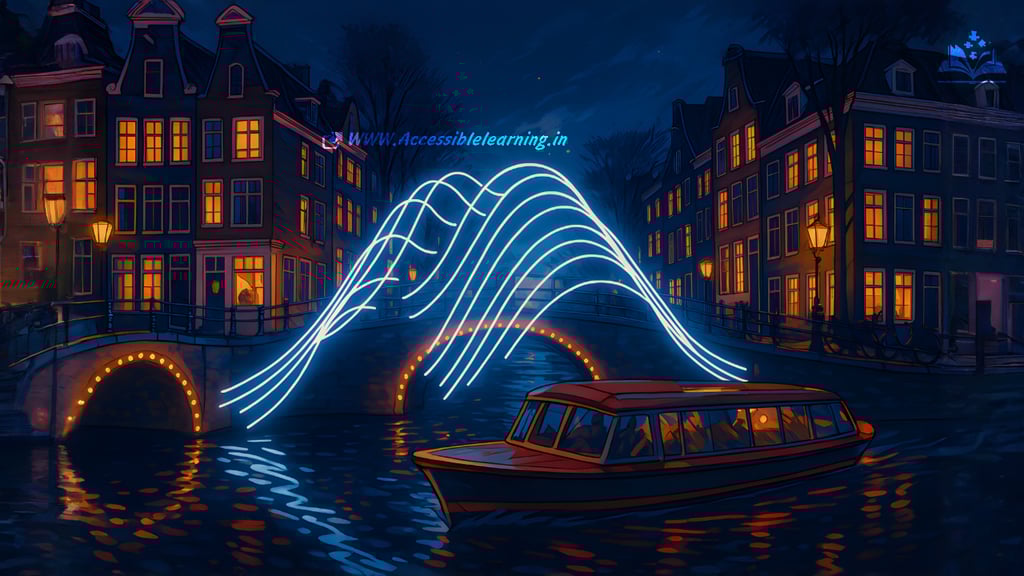
Amsterdam Light Festival turns the city into a glowing outdoor museum every winter. It’s one of Europe’s most creative winter events, mixing light technology, contemporary art, and storytelling with Amsterdam’s historic canals. If you’re planning a winter trip, this festival becomes an essential part of the experience.
What Makes the Festival Unique
A curated collection of light-based art
Every year, the festival chooses around 20 to 25 installations from hundreds of global submissions. Each piece is handpicked for creativity, technology, and how well it fits the city’s environment. Artists range from well-known designers to emerging talents experimenting with new lighting techniques.
A yearly theme that shapes the story
Past themes include:
The power of imagination
Energy and sustainability
The digital world
Human connection
Nature and the environment
The theme influences tone, color palettes, structure design, and even the materials used.
Light artworks designed specifically for Amsterdam
These aren’t recycled installations brought in from other festivals. Most pieces are designed exclusively for Amsterdam’s canals, bridges, and waterfront. Artists often visit the city months before to plan how their work interacts with:
Water reflections
Canal curvature
Bridge heights
Street movement
Local landmarks
This makes each artwork feel integrated into the city instead of simply displayed.
Types of Installations You’ll See
Projection mapping
Buildings, arches, and bridges become digital canvases. Some projections include motion, storytelling sequences, or optical illusions.
Floating sculptures
Artists create lightweight, weatherproof structures that float. These pieces respond to water flow and wind, adding subtle movement.
Kinetic light structures
Certain installations rotate, open, close, or shift shape using motors or weather sensors.
Architectural light design
Some works wrap around bridges or create full light corridors above the canal. These are great drone-photography spots.
Interactive pieces
A few installations react to sound, movement, or touch. These are usually on the walking route.
Sustainable light builds
More artists now use:
Solar-powered LED grids
Upcycled plastics
Reclaimed metal frames
Low-energy controllers
This helps the festival keep power usage surprisingly low for an event of this scale.
Festival Routes and How to Experience Them
The Water Route
The most popular choice. You sit in a heated boat while guides explain each artwork’s story and design process. The reflections amplify every sculpture, giving a cinematic feeling.
The Walking Route
Perfect for photographers. You get close-up shots, hidden angles, and behind-the-installation perspectives that you won’t see from a boat.
Special Experiences
Some editions include:
Kids' workshops
Artist-led talks
Night photography tours
Digital AR elements
Storytelling audio guides
If you enjoy deeper context, these are worth trying.
Planning Your Visit
Best time to go
Late evening gives stronger reflections and quieter streets. Snow is rare, but when it happens, the festival becomes magical.
Ideal duration
A boat tour takes about 60 to 75 minutes. The walking route usually takes 90 minutes to 2 hours.
Tickets
Water routes require tickets. Walking routes are generally free unless you want the official guide.
Where installations are usually located
Although the exact route changes every year, the lights are often found near:
The Amstel River
Herengracht
Nieuwe Herengracht
Oosterdok
Hermitage Amsterdam
Nemo Science Museum


Extra Points That Enhance the Experience
Best photography tips
Visit right after rain. Water surfaces mirror the artwork perfectly.
Carry a mini tripod. Long exposure shots look stunning.
Shoot from low angles at canal edges for maximum reflection.
Wide lenses work best for bridges and tunnels.
Food & warm drink ideas nearby
Around the festival route, you’ll find plenty of places offering:
Hot chocolate
Stroopwafels
Dutch pea soup
Warm mulled wine
Fresh churros
Stopping for a warm drink halfway through the walking route adds comfort in the cold weather.
Festival impact on local culture
The event has become a winter tradition. Locals treat it like a seasonal ritual, similar to Christmas markets in other countries. It also supports the creative community by funding artists, engineers, and design studios.
Visitors from around the world
The festival attracts travelers from Europe, Asia, and North America. It’s popular among:
Couples
Solo travelers
Art and design students
Photographers
Families
Merch and souvenirs
The official store usually offers:
Postcards with installation sketches
Photo books
Light-themed accessories
Miniature installations
These make good souvenirs for creative people.
Amsterdam Light Festival isn’t just a light show. It’s a mix of modern creativity, avant-garde technology, and the cozy atmosphere of Amsterdam in winter. Whether you're cruising on the canals or walking through the decorated streets, it feels like stepping inside a moving art story. If you’re visiting during the season, this is an experience worth planning your evening around.
Frequently Asked Questions
Q: When does the Amsterdam Light Festival take place?
The festival usually runs from late November to mid-January. Exact dates change each year, so it’s good to check the official schedule before planning your visit.
Q: Is it better to walk or take a canal cruise?
Both offer different perspectives. A cruise gives you effortless views and reflections on the water, while the walking route lets you explore installations up close. Many visitors do both.
Q: Do I need tickets for the festival?
The walking route is usually free. Canal cruises require tickets, and prices vary depending on the tour company and type of boat.
Q: How long does it take to see everything?
A canal tour takes about an hour. The full walking route typically takes one and a half to two hours, depending on your pace.
Q: Can I photograph the installations?
Yes. Photography is welcome, and the reflections on the water make it a great spot for night shots. A small tripod helps if you're doing long exposures.
Q: Are the installations the same every year?
No. Every edition introduces new artworks, themes, and ideas. The route and design change annually, which keeps the event fresh.
Q: Is the festival family-friendly?
Yes. Children enjoy the bright colors and interactive pieces, and many boats are heated, which makes the ride comfortable even in winter.
Q: What should I wear during the festival?
Amsterdam winters are cold and often damp. Wear warm layers and comfortable shoes, and bring gloves, especially if you're walking.
Subscribe to Frontier Intelligence
All © Copyright reserved by Accessible-Learning Hub
| Terms & Conditions
Accessible Learning Hub — Actionable clarity for high-agency minds.
Weekly breakdowns on AI breakthroughs, capital flow, and human performance systems. Zero fluff.